Portable toilets offer numerous eco-friendly advantages. Firstly, they significantly reduce water usage, conserving thousands of gallons regularly compared to traditional flushing systems. These units are equipped with efficient water-saving mechanisms that cut down on excessive consumption. Moreover, portable toilets are designed to safely contain and manage waste, minimizing contamination risks to the surrounding environment, such as soil and water bodies.
Additionally, they are easy to transport and set up, reducing the carbon footprint associated with construction activities for permanent bathroom installations. The materials used in portable toilets are often recyclable, allowing for sustainable deployment and disposal. Beyond their environmental benefits, portable toilets also contribute to public health by providing appropriate sanitation solutions in areas where infrastructure might be underdeveloped or overused.
Leveraging these toilets at events or construction sites simultaneously promotes ecological responsibility and public welfare. Their use further prevents the spread of diseases by offering a clean and contained environment, thereby safeguarding community health. In conclusion, the adoption of portable toilets reflects a commitment to sustainable practices and responsible resource management, echoing a broader movement towards environmental stewardship.

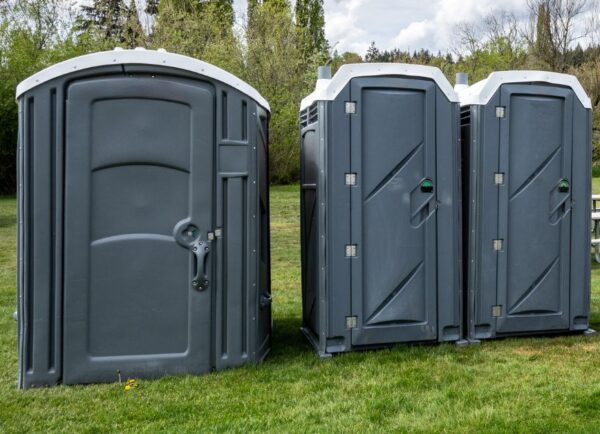
Portable Toilet Rentals in Springfield Township, Iowa
Call today for a free quote (319) 308-5487
Portable Toilet
Fast, Easy, & 100% Free To Get Started
Over 20 Years of Experience
With over 20 years of experience in Springfield Township, we provide quality service tailored to meet our community's needs. Our deep commitment ensures consistent customer satisfaction and reliable solutions crafted specifically for you.
Unmatched Quality Service
Our company ensures quality service by providing clean, durable units and responsive customer support. We are dedicated to maintaining high standards to offer a stress-free rental experience.
Fast and Reliable Delivery
We pride ourselves on quick delivery of our portable toilet rentals to Springfield Township and beyond. Our efficient service guarantees your needs are met promptly, ensuring your events remain uninterrupted.
Reliable Portable Toilet Options in Springfield Township
Call for a Free Quote Today
(319) 308-5487
In Springfield Township and its neighboring areas, our portable toilet company stands out for its dependable and reliable services. As a locally owned business, we take pride in providing top-notch sanitation solutions. Our offerings cater to various events such as construction sites, private parties, lively festivals, and elegant weddings. Our experienced team ensures clean and well-maintained units to guarantee satisfaction. Trust us for timely deliveries and hassle-free setups, so you can focus on what truly matters.

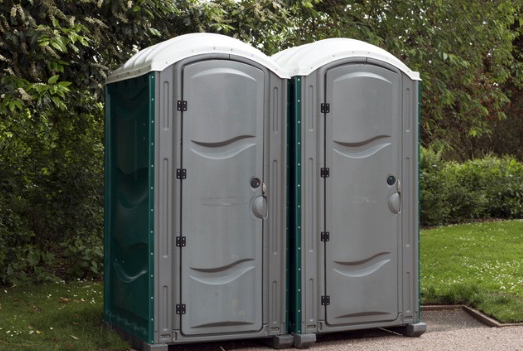
Standard Portable Toilet
Our standard porta john rental units are durable and reliable for any commercial build site, housing development, public works project, or remodel job.
Features include dome lighting, grated floors, and an “In-Use” locking mechanism for privacy and comfort.
Regularly maintained, inspected, and cleaned by FusionSite at your location.
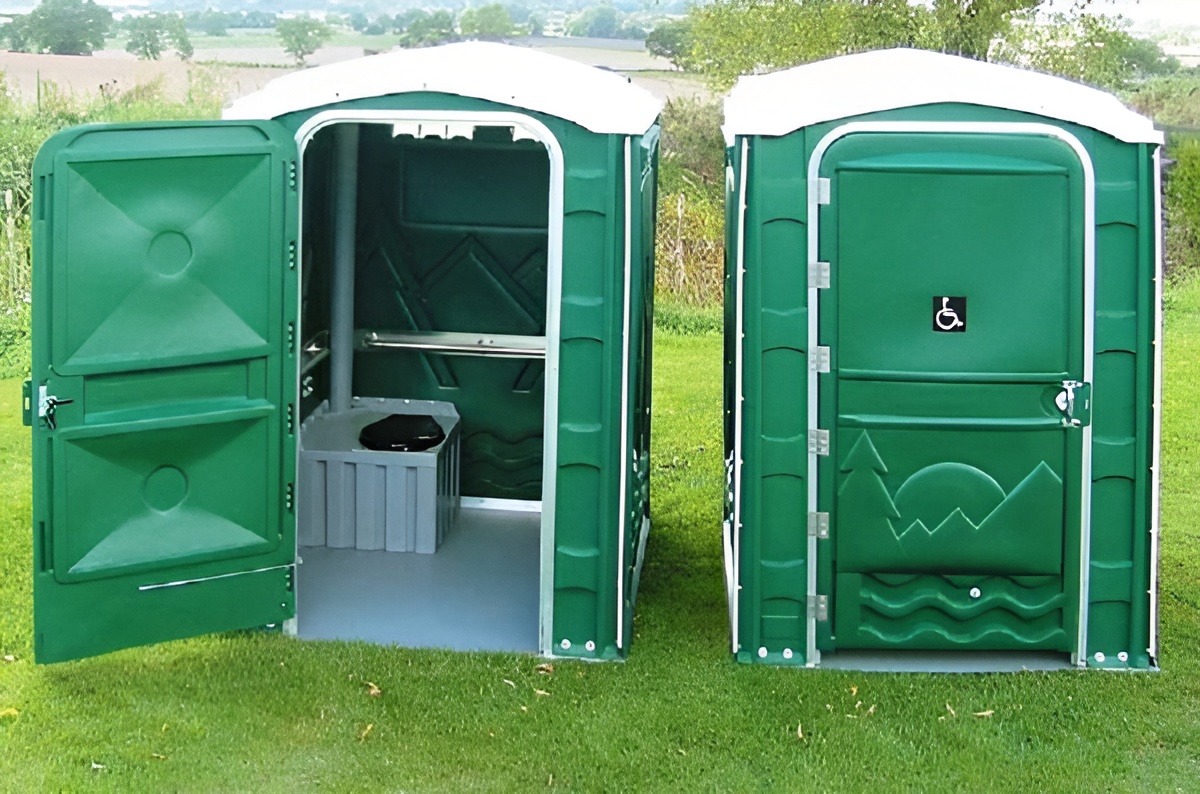
Wheelchair Accessible Restrooms
Developed as an alternative to full ADA-compliant restrooms, the Liberty is a spacious, wheelchair-accessible unit that can also be promoted as a family-sized restroom.
Includes a patented flat-floor system for easy wheelchair access and maneuverability.
Handrails, paper holder, and rotary latch are designed for simple, intuitive end-user operation.
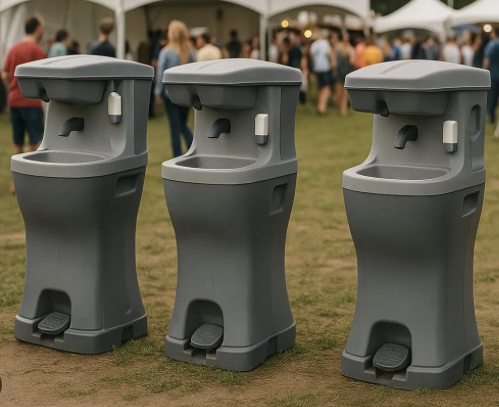
Portable Sink
Portable hand washing stations are essential for keeping your work site sanitary and clean.
Features hands-free foot pumps, liquid soap, and paper towels.
Perfect for job sites without water hookups, these units can handle hundreds of washes between services.
We Proudly Serve
Standard Portable Toilets
Our Standard Portable Toilets offer practical and cost-effective solutions for outdoor events and worksites in Fusionsite Iowa.
High Rise Portable Toilets
High Rise Portable Toilets in Springfield Township bring sanitation solutions to elevated sites with efficiency and reliability.
Restroom Trailers
Restroom Trailers at Springfield Township combine comfort and utility, tailored to meet Fusionsite Iowa's high standards.
Roll off Dumpsters
Efficient waste management solutions with Roll off Dumpsters at Fusionsite Iowa in Springfield Township.
Septic Tank Cleaning
Septic Tank Cleaning service by Fusionsite Iowa ensures thorough, environmentally friendly maintenance across Iowa.
Grease Trap Cleaning
Expert Grease Trap Cleaning in Springfield Township of Iowa fosters a cleaner and more efficient kitchen environment.
Fencing & Barricades
Trust our Fencing & Barricades service in Fusionsite Iowa for effective crowd and perimeter management.
Residential Storage
We provide secure Residential Storage solutions across Springfield Township, tailored to your storage needs.
Springfield Township Portable Toilet & More
Getting a quote and delivery for a portable toilet has never been more convenient. Our streamlined process begins with an easy-to-fill form available at the top and bottom of our website, which requires your basic contact details. Once submitted, a dedicated member of our team will reach out to you promptly to discuss your needs and provide a detailed quote.
Our efficient delivery service is crafted to accommodate your schedule; we ensure the units arrive well before your event. Whether you're hosting a large festival or a small family gathering, our reliable service makes sure your sanitation needs are covered without a hitch. With competitive rates and top-quality units, we offer transparent pricing and no hidden fees, so you have peace of mind knowing exactly what to expect.
From initial inquiry to swift delivery, our focus is on providing an excellent customer experience. With a range of units readily available, our team assists you in selecting the most suitable options for your event's scale and location. We cater to diverse requirements ensuring each portable toilet is clean and ready for use upon arrival.
Our commitment to Springfield Township and the surrounding areas is rooted in quick and responsible service, ensuring that your portable toilet rental is as seamless and convenient as possible. With customer satisfaction at the forefront, we consistently aim to exceed your expectations, offering not only products but a partnership in ensuring the success of your events.
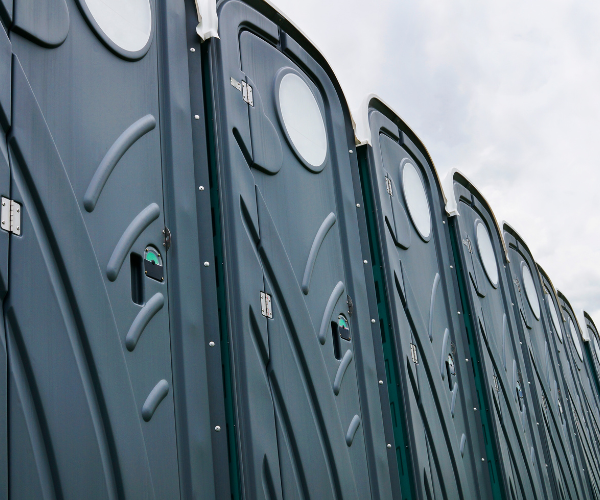
Springfield Township's charm is perfectly captured within the heart of Iowa, known for its picturesque landscapes and vibrant community spirit, especially during the annual Old Settlers Celebration. Our portable toilets seamlessly blend into the local outdoor attractions, such as the scenic banks of the Wapsipinicon River, enhancing the overall sanitation experience. We take pride in serving the Springfield community with outstanding portable toilet services. Whether it's for the lively festivities of the Old Settlers Celebration, weddings, or any outdoor gatherings, our units provide unmatched comfort and cleanliness, allowing guests to fully enjoy the area's natural beauty and spirited community events. From the bustling scenes at local fairs to the quiet allure of nature excursions along the riverfront, our portable toilets deliver reliable and sanitary solutions. By choosing our services, you're not just securing a portable toilet but partnering with a team committed to making your event's success with uninterrupted sanitation facilities a reality.
Why Choose Us?
Being the leading provider in Springfield Township, our company is recognized for delivering superior service and unmatched reliability. Our comprehensive range of portable toilets suits any event's needs, from weddings to construction projects. Our deep community roots translate into personalized service that attends to the specifics of each client's requirements.
Our team's dedication ensures no detail is overlooked, creating a seamless experience from booking to execution. Opt for our portable toilet services and experience reliability, value, and quality that set us apart from the rest.
Fast & Reliable Service:
In Springfield Township, where timely solutions are vital, we ensure swift and reliable delivery of portable toilets. We plan each rental meticulously to surpass client expectations and fit seamlessly into varied schedules.
Renting from us guarantees premiere service with prompt delivery and careful setup, tailored to any event size. Backed by years of expertise, our seasoned team is prepared to handle last-minute changes, maintaining high-quality service without compromise.
Discover Our Portable Toilet in Springfield Township
Renting a portable toilet in Springfield Township is straightforward and designed for your convenience. Our online process begins with simply navigating to our website where you'll find 'Get A Quote' buttons strategically located throughout our pages for easy access. Clicking these will direct you to a form requesting basic information including your first and last name, phone number, and email.
These forms are accessible both at the top and bottom of our site for your convenience. Once you submit your details, our dedicated sales team promptly contacts you to discuss your requirements and offers a customized quote.
Alternatively, you are welcome to call us directly for immediate assistance and further inquiries. Our friendly team is ready to guide you through rental options that match your event's scale and budget.
We offer versatile solutions accommodating a variety of occasions whether they're festive, corporate, or construction-related. With comprehensive support from booking to delivery, our goal is to provide a seamless rental experience that best suits your needs in Springfield Township.
Our standard delivery timeframe for portable toilet orders is tailored to suit your specific needs. Typically, we ask customers to place orders at least 48 hours in advance to ensure availability and prompt service. However, we understand that there may be urgent requests, and, within Springfield Township, we frequently accommodate expedited delivery options.
Our logistics team works diligently to confirm and arrange deliveries according to your schedule, ensuring that your portable toilets arrive on-site well ahead of your event. This preemptive approach guarantees that everything is set up without hassle or delay.
Your assurance of service quality comes with detailed communication; our team will keep you informed from the order process to confirmation and final delivery completion. For events or sites requiring multiple units, consult with our team for more precise timing based on current inventory and route logistics.
By valuing reliability and proactive planning, we strive to provide timely delivery that aligns seamlessly with your logistical plans, creating a hassle-free rental experience across Springfield Township.
Yes, we are equipped to service a wide range of events and construction needs with our versatile portable toilet solutions. Whether it's a festive occasion like a local festival or a large sporting event, our offerings include luxury restroom trailers, standard porta potties, roll-off dumpsters, and more.
For formal occasions like weddings and corporate gatherings, our selection includes elegant ADA-compliant units that provide accessibility and comfort to all guests. Additionally, our portable sinks and hand sanitizer stations are perfect for maintaining hygiene standards at any event.
We are well-suited to serve construction projects of various scales, providing durable and practical units that cater to the demands of job sites. Our team accommodates the unique scheduling and logistical challenges encountered on construction sites.
By choosing our services, you gain access to comprehensive solutions that enhance venue sanitation and site management, making us your go-to option for reliable and quality portable sanitation services.