Portable toilets offer numerous eco-friendly advantages, making them an optimal choice for sustainable sanitation solutions. Firstly, they significantly reduce the strain on traditional plumbing systems by operating independently of them. This means less water waste and a lower impact on municipal water supplies. Typically, portable toilets require minimal water use, relying on chemical solutions or environmentally responsible additives that break down waste effectively.
Emphasizing sustainability, advancements in design have led to units that are increasingly energy-efficient, often incorporating solar-powered features or rechargeable systems that minimize carbon footprints. Additionally, the lightweight and transportable nature of portable toilets reduces the fuel consumption associated with moving and setting up sanitation facilities at events or construction sites. By utilizing biosolids and recyclable materials in the construction of portable toilets, companies can further offset their environmental impact through responsible manufacturing and waste disposal. As they support temporary setups, portable toilets prevent unnecessary infrastructure development that could disrupt natural landscapes.
In essence, choosing portable toilets aligns with environmental conscientiousness, offering a practical and eco-friendly alternative to traditional restrooms, especially in areas that aim to reduce their ecological footprint while maintaining hygienic standards.

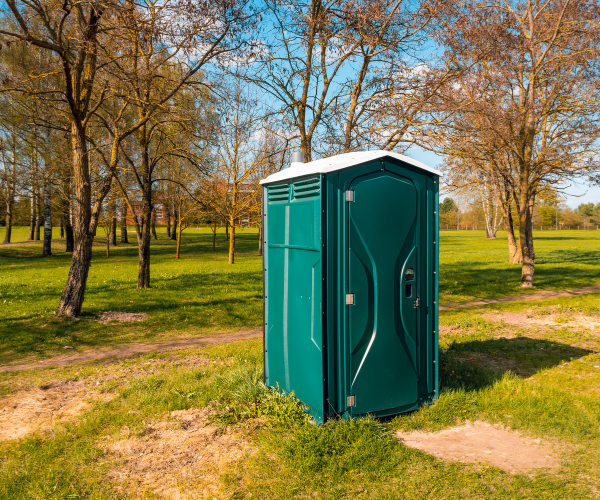
Portable Toilet Rentals in Waterloo, Iowa
Call today for a free quote (319) 308-5487
Portable Toilet
Fast, Easy, & 100% Free To Get Started
Over 20 Years Of Experience
With over 20 years of experience, our portable toilet company in Waterloo takes pride in building strong community ties and unmatched quality in service. Whether you're arranging a large festival or a private event, our dedication to customer satisfaction is unrivaled.
Unmatched Quality Service
Our portable toilet company guarantees quality service characterized by meticulous attention to detail and superior customer care. We are dedicated to providing the best possible solutions tailored to your specific needs, ensuring a smooth and successful event.
Quick and Reliable Delivery
Our delivery service swiftly and reliably provides portable toilets, ensuring top-grade quality even when requested on short notice. We prioritize timeliness to keep your event running smoothly without interruptions.
Clean Portable Toilet Solutions in Waterloo, Iowa
Call for a Free Quote Today
(319) 308-5487
As a proud, locally owned company in Waterloo, we specialize in providing dependable and reliable portable toilet solutions. Our commitment to quality ensures peace of mind for any occasion, whether you're planning a wedding, hosting a party, or managing a construction site. We cover not just Waterloo, but also nearby areas, with services perfect for community festivals and events of all sizes. With decades of experience, our team expertly delivers spotless units assuring maximum comfort and sanitation. Our predictable service means you'll never be caught off guard, as we emphasize timeliness and efficiency. When you choose us, you choose excellence and a hassle-free experience.
Standard Portable Toilet
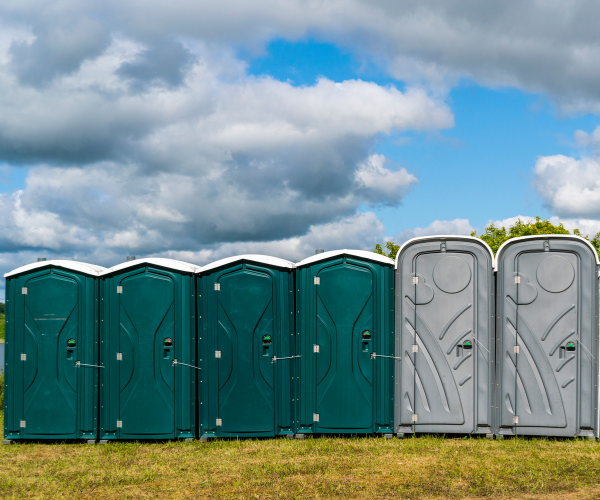
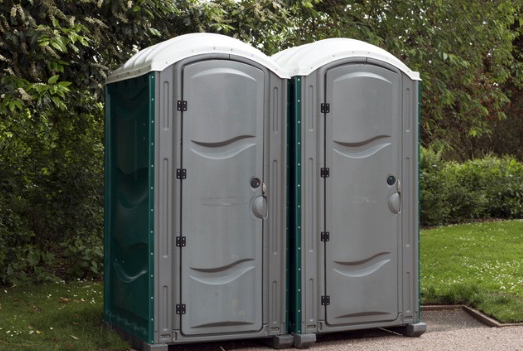
Our standard porta john rental units are durable and reliable for any commercial build site, housing development, public works project, or remodel job.
Features include dome lighting, grated floors, and an “In-Use” locking mechanism for privacy and comfort.
Regularly maintained, inspected, and cleaned by FusionSite at your location.
Wheelchair Accessible Restrooms
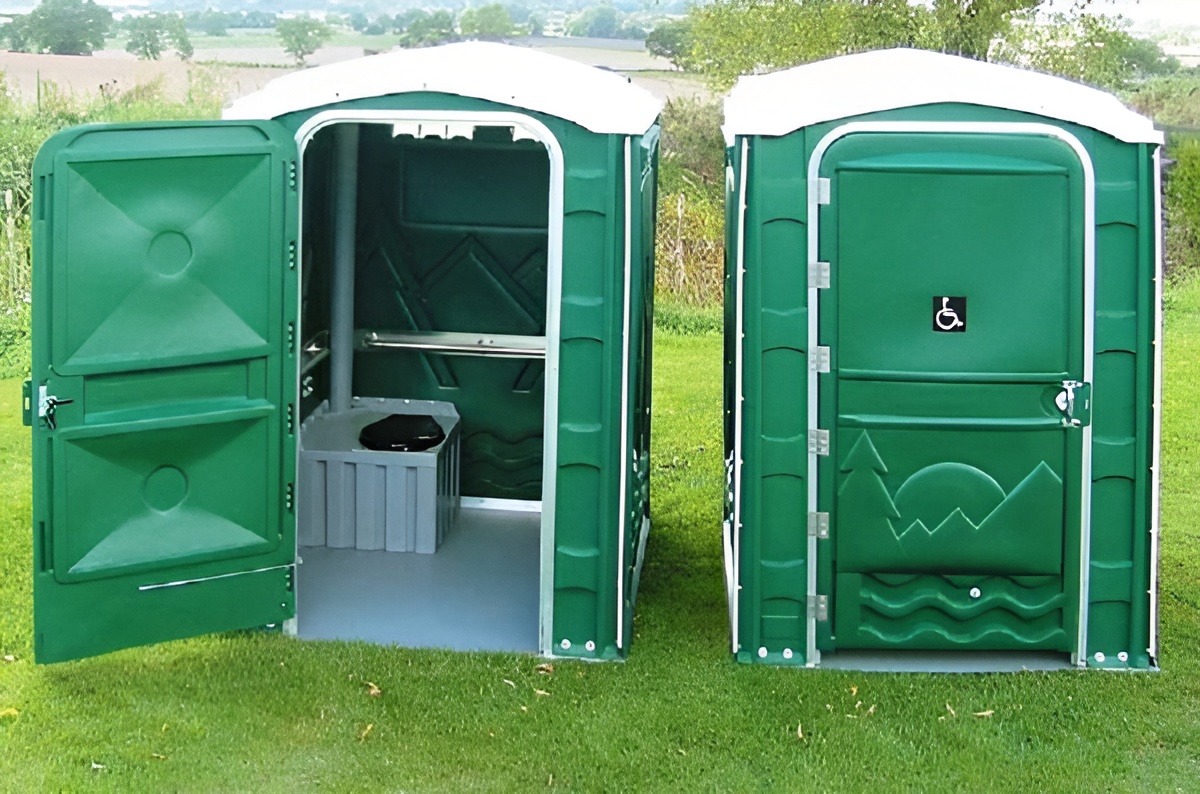
Developed as an alternative to full ADA-compliant restrooms, the Liberty is a spacious, wheelchair-accessible unit that can also be promoted as a family-sized restroom.
Includes a patented flat-floor system for easy wheelchair access and maneuverability.
Handrails, paper holder, and rotary latch are designed for simple, intuitive end-user operation.
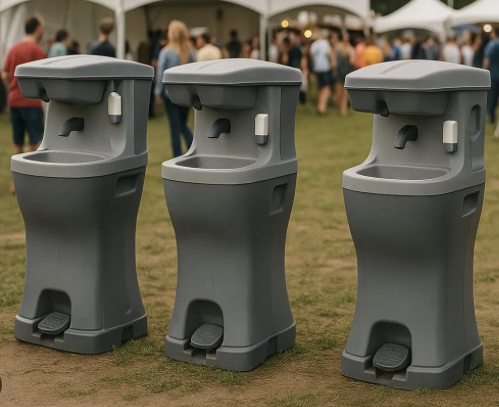
Portable Sink
Portable hand washing stations are essential for keeping your work site sanitary and clean.
Features hands-free foot pumps, liquid soap, and paper towels.
Perfect for job sites without water hookups, these units can handle hundreds of washes between services.
We Proudly Serve
Standard Portable Toilets
Our Standard Portable Toilets provide reliable sanitation solutions for events and job sites in Fusionsite Iowa.
High Rise Portable Toilets
The High Rise Portable Toilets ensure superior sanitation that reaches new heights in Iowa's bustling Waterloo.
Restroom Trailers
Restroom Trailers offer premium comfort and cleanliness for events across Waterloo at Fusionsite Iowa.
Roll off Dumpsters
Roll off Dumpsters present efficient waste management solutions tailored to Fusionsite Iowa in Waterloo.
Septic Tank Cleaning
Professional Septic Tank Cleaning services maintain sanitation at its best for Fusionsite Iowa in Iowa.
Grease Trap Cleaning
Our Grease Trap Cleaning service ensures optimal performance for kitchens in Waterloo, Iowa.
Fencing & Barricades
Fencing & Barricades service delivers safety and security at every event within Fusionsite Iowa.
Residential Storage
The Residential Storage service offers secure and convenient solutions in Waterloo, Iowa.
Waterloo Portable Toilets and More
In Waterloo, securing a portable toilet rental is quick and convenient. We streamline the process, ensuring you can easily request a quote via our user-friendly website or by calling our dedicated service line. From determining your specific needs to coordinating delivery, our team is ready to assist every step of the way. With flexible scheduling and prompt delivery, our units arrive clean and ready for use, suitable for any occasion from construction to elegant weddings. We understand the need for efficiency, offering clear, upfront pricing with no hidden fees. Our reliable service ensures you receive quality units exactly when needed, supported by our experienced team dedicated to excellence. Trust us for seamless provisioning of portable toilets, enhancing your event's success.
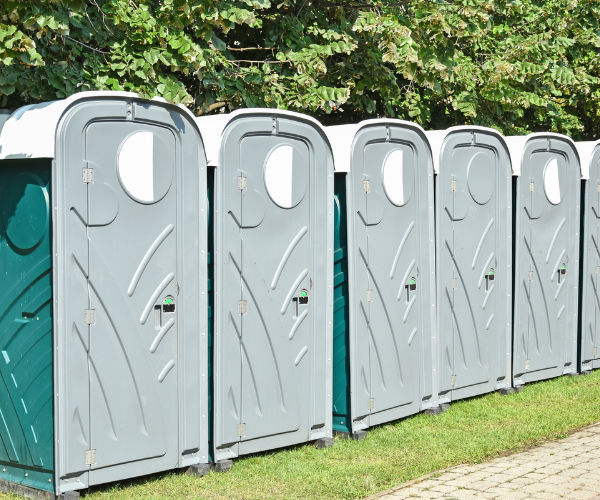
Experience the local charm of Waterloo with our portable toilet services designed to enhance outdoor attractions and community events. Whether you're exploring the tranquility of George Wyth State Park or enjoying the vibrant festivities at My Waterloo Days, our services provide unmatched convenience while maintaining impeccable cleanliness. When attending events in these picturesque locations, our portable toilets ensure a seamless experience for all attendees. Our commitment to Waterloo shines through our customer-driven approach, focusing on delivering clean, dependable, and prompt services. Whether for a weekend gathering or an extended festival, our units are crafted to adapt and elevate any occasion with ease and reliability.
Why are we the top choice in Waterloo? As a trusted partner in the community, our portable toilet services are synonymous with reliability and quality. We embrace Waterloo's unique characteristics, dedicating ourselves to aligning our services with the town's vibrant events and scenic charm. Our local expertise ensures our solutions are always the perfect fit.
Trust our professionally vetted team to provide unparalleled portable toilet services, adapting to each specific requirement while maintaining exceptional standards. When you choose us, you opt for quality, dependability, and local insight, making your events effortless and unforgettable.
Our company is dedicated to delivering fast and reliable portable toilet services in Waterloo. Our team specializes in efficient setup and delivery, consistently providing pristine units for every occasion. We recognize the importance of timely service, ensuring rapid and dependable delivery that aligns with your schedule seamlessly.
Our dedication to reliability has established us as a trusted industry leader, showcasing our ability to quickly adapt to changing event needs. From intimate gatherings to grand festivals, our portable toilets exemplify convenience, meeting demands with unfaltering excellence.
Learn More About Our Portable Toilets in Waterloo
Renting a portable toilet in Waterloo is a straightforward and efficient process designed to meet your convenience needs. Start by visiting our website where you'll find easy-to-access forms at both the top and bottom of the page. These forms are designed to gather essential information, such as your first name, last name, phone number, and email, ensuring we can provide personalized service tailored to your requirements.
Additionally, our website features multiple "Get A Quote" buttons located throughout the pages. By simply clicking on these, you can swiftly begin the collaboration with our team to secure your portable toilet rental. Our dedicated customer service representatives are available to assist you with any questions, ensuring your experience is seamless and aligns perfectly with your event needs. Whether you're planning for a large festival or a small family gathering, we offer an extensive variety of portable restroom options to fit any occasion.
Engineered for efficiency, our ordering process is designed to provide peace of mind and clarity from inquiry to delivery. We understand the importance of timeliness and strive to offer prompt responses and scheduling flexibility to meet your deadlines. Choose us to simplify your event planning, knowing that our comprehensive approach ensures you'll receive quality portable toilet service with a professional and personal touch.
The typical delivery timeframe for portable toilet orders can vary based on several factors, such as the event's location, unit availability, and specific customer requirements. However, our company strives to maintain a swift and efficient delivery service as a core aspect of our operation. Generally, once an order is confirmed, we aim to deliver the ordered units within 24 to 48 hours to ensure our clients can plan accordingly.
For larger events or unique requests requiring specialized units, advance notice or additional planning time may be needed. Our team is adept at managing logistics to accommodate varying schedules and event sizes with reliability and professionalism. We advise clients to reach out well in advance for significant events to guarantee availability and to discuss any unique requirements that might affect timing.
In cases of urgent or last-minute requests, we endeavor to facilitate priority delivery as promptly as possible, leveraging our seasoned logistics team and expansive inventory to meet client demands efficiently. Customer satisfaction is paramount, motivating our commitment to providing timely delivery solutions that align with client needs while upholding our standards of quality and service excellence.
Yes, we proudly offer portable toilet solutions for all types of events and construction services, providing unparalleled flexibility and quality to meet diverse needs. Our wide-ranging inventory is ideally suited for festivals, sporting events, weddings, corporate functions, family reunions, and special events of any size. We also support construction sites, ensuring a clean and dependable sanitation option tailored to industry standards.
Our products include luxury restroom trailers, standard porta potties, roll-off dumpsters, and ADA-compliant units, alongside portable sinks and hand sanitizer stations. For added convenience, we supply fencing and barricades, as well as holding tanks, facilitating a comprehensive approach to site management.
With every client, whether for an event or a construction project, we focus on delivering top-notch units with reliable scheduling and setup. Trust our experienced team to listen to your specific needs and exceed expectations by providing solutions customized to enhance the guest or crew's experience. The breadth of our offerings ensures we have a fitting unit for every occasion, designed to optimize cleanliness and comfort, no matter the environment.