Portable toilets offer a multitude of eco-friendly advantages, enabling events and sites to manage sanitation sustainably. Their efficiency in water conservation is one of the most significant benefits. A singular unit can save gallons of water daily, as they operate without the need for regular flushing systems typical of standard restrooms. With water management becoming increasingly critical on a global scale, portable toilets represent a conscious approach to conserving this vital resource.
Additionally, modern portable toilets are designed with environmentally friendly materials that aid recycling and reduce the footprint upon disposal. They limit the ecological impact typically associated with temporary facilities through the integration of materials that easily decompose or can be repurposed. Innovations in chemical treatment systems within portable toilets further mitigate environmental harm by using biodegradable solutions that neutralize waste effectively.
For venues like festivals and large gatherings, choosing portable toilets showcases a commitment to integrating sustainable practices. The reduced wastewater output helps manage the on-site impact dramatically. Whether it’s a large outdoor concert or a modest family reunion, the presence of portable toilets ensures sanitation needs are met without straining natural resources. Furthermore, transporting these units is efficient, as they are compact and designed with logistics in mind, minimizing the overall carbon emissions produced during distribution.
Opting for portable toilets is a proactive step in aligning with greater environmental ethos. By eliminating the need for large sewage infrastructure and portable plumbing, these devices circumvent potentially invasive construction, preserving existing landscapes and habitats. As society continues to move towards green alternatives in every sector, adopting portable toilets becomes more than just a choice of convenience—it represents an investment in preserving our planet.

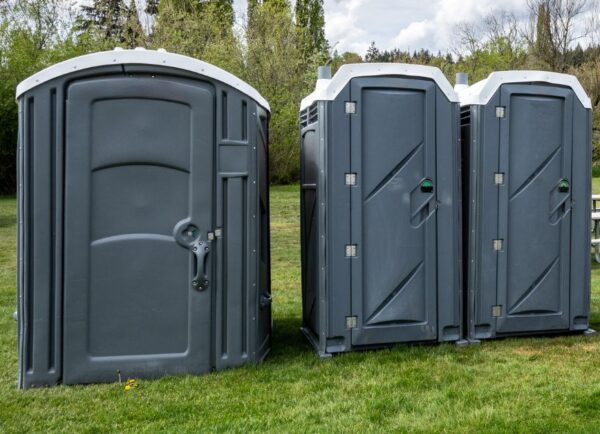
Portable Toilet Rentals in Fairbank Township, Iowa
Call today for a free quote (319) 308-5487
Portable Toilet
Fast, Easy, & 100% Free To Get Started
Decades of Experience
For over 20 years, our portable toilet company has been a trusted staple in Fairbank Township, proudly tied to the community. Our unwavering dedication to quality assures customer satisfaction with each service we provide.
Unmatched Quality Service
We ensure exceptional quality in every portable toilet rental, focusing on customer care and equipment reliability. Our team stays committed to delivering clean, durable units that adhere to the highest standards.
Fast, Reliable Delivery
Our client-first approach ensures swift and dependable delivery of portable toilets right when you need them. Count on us to set the standard for timely service and hassle-free installations.
Reliable Portable Toilets in Fairbank Township
Call for a Free Quote Today
(319) 308-5487
Nestled in the heart of Fairbank Township, we provide top-tier portable toilet solutions designed to enhance your event experience. As a locally owned company, we pride ourselves on dependable and reliable service, ensuring that your sanitation needs are met with precision. Whether you're hosting a grand wedding or managing a bustling construction site, our comprehensive offerings cover nearby areas as well. Our portable toilets are not just about convenience; they represent a commitment to cleanliness and hygiene at all parties, festivals, and celebrations.
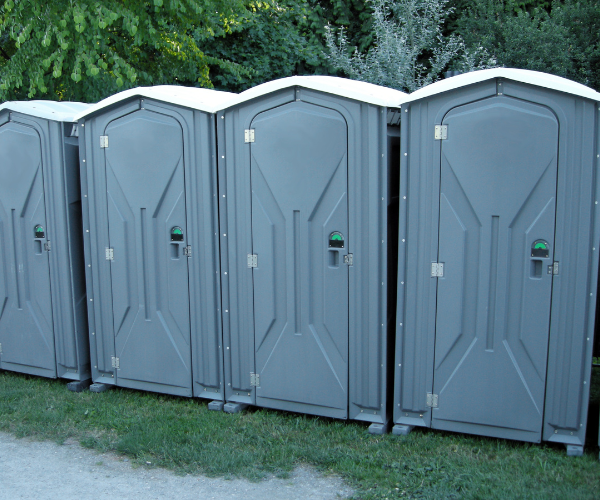
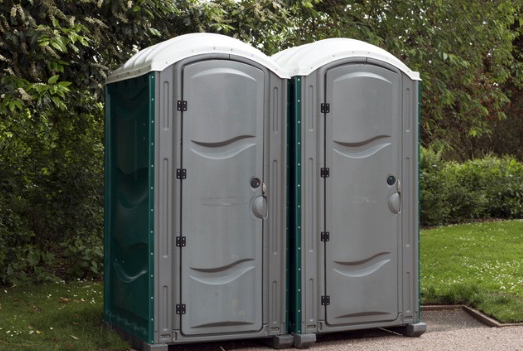
Standard Portable Toilet
Our standard porta john rental units are durable and reliable for any commercial build site, housing development, public works project, or remodel job.
Features include dome lighting, grated floors, and an “In-Use” locking mechanism for privacy and comfort.
Regularly maintained, inspected, and cleaned by FusionSite at your location.
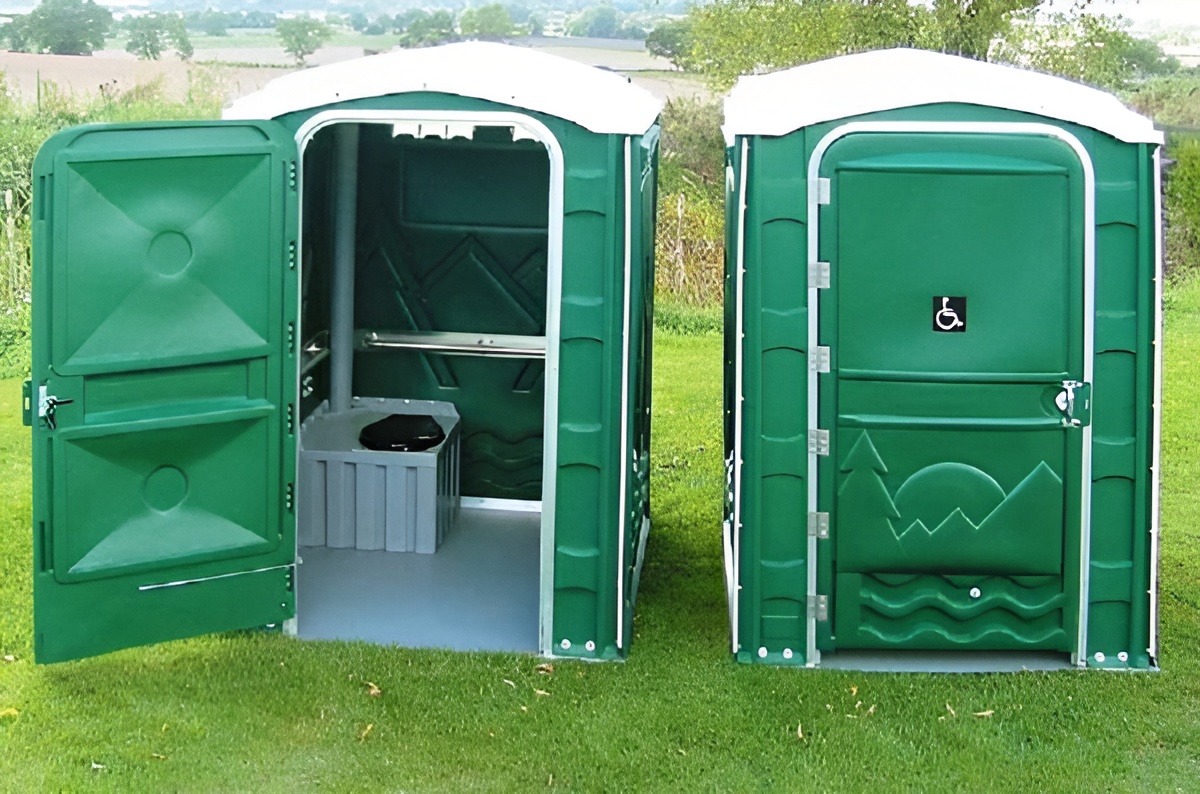
Wheelchair Accessible Restrooms
Developed as an alternative to full ADA-compliant restrooms, the Liberty is a spacious, wheelchair-accessible unit that can also be promoted as a family-sized restroom.
Includes a patented flat-floor system for easy wheelchair access and maneuverability.
Handrails, paper holder, and rotary latch are designed for simple, intuitive end-user operation.
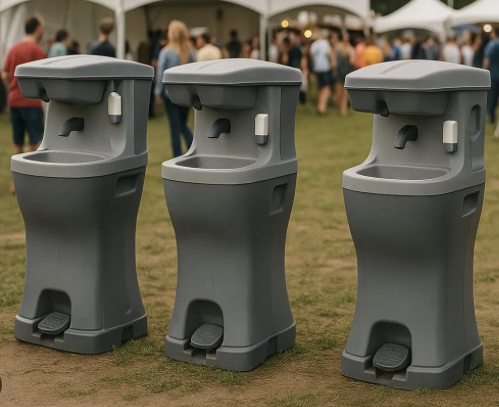
Portable Sink
Portable hand washing stations are essential for keeping your work site sanitary and clean.
Features hands-free foot pumps, liquid soap, and paper towels.
Perfect for job sites without water hookups, these units can handle hundreds of washes between services.
We Proudly Serve
Standard Portable Toilets
Reliable and hygienic, our Standard Portable Toilets are the optimal choice for any event.
High Rise Portable Toilets
High Rise Portable Toilets provide accessible sanitation for elevated construction and outdoor sites in Fairbank Township.
Restroom Trailers
Restroom Trailers offer a premium portable toilet experience for every occasion in Fairbank Township.
Roll off Dumpsters
Our Roll off Dumpsters service simplifies waste management, designed for efficiency and convenience at any site.
Septic Tank Cleaning
Efficient and thorough, our Septic Tank Cleaning service in Iowa ensures your sanitation systems run smoothly.
Grease Trap Cleaning
Keep your enterprise running clean and hassle-free with our expert Grease Trap Cleaning service in Fairbank Township.
Fencing & Barricades
Secure your projects with our customizable Fencing & Barricades solutions, in operation throughout Iowa.
Residential Storage
Protect your belongings with our secure Residential Storage service, available right in the heart of Fairbank Township.
Fairbank Township Portable Toilets and More
Getting a quote and arranging delivery for our portable toilets is a breeze. Our website streamlines the process with easy-to-find forms and a series of 'Get A Quote' buttons to ensure you can quickly submit your information. Upon visiting, simply fill out your name, phone number, and email to receive a tailored response from our expert team. We understand the importance of timely delivery, which is why our logistics ensure a hassle-free experience from quote to installation.
Our team prioritizes your peace of mind at every step. Whether you're in Fairbank Township or the surrounding areas, we are dedicated to providing prompt and courteous service, delivering portable toilets that meet your specific requirements. Count on us to make the rental process as convenient and straightforward as possible, so the focus remains on your event or project.
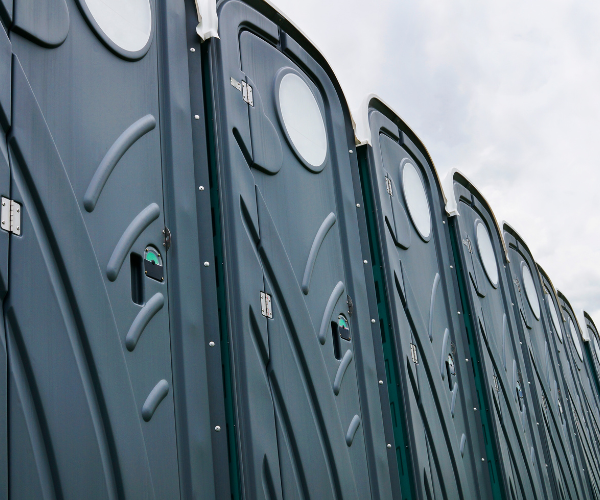
The outdoors of Fairbank Township provide endless opportunities for events, enhanced by our well-maintained portable toilets, especially during popular occasions like the annual Buchanan County Fair. Whether you're visiting local attractions or enjoying community gatherings, our sanitation solutions ensure comfort and cleanliness. We resonate with the area's unique charm, providing reliable restrooms that complement events like the fair seamlessly. Choose us for your next event and enjoy the convenience of local expertise combined with unmatched service. Our portable toilets guarantee satisfaction, fitting seamlessly into the vibrant landscape of Fairbank Township. Trust in our commitment to quality and reliability, serving you with pride and professionalism.
In Fairbank Township, our standout reputation in portable toilet rentals is well-earned. With deep local expertise and a commitment to quality service, we lead in sanitation solutions. We cater to our community's specific needs, guaranteeing high standards with every unit we deliver.
When evaluating your options, keep in mind that we're the premier choice for portable toilets because we place your satisfaction first. Our dedication extends beyond service; we focus on enhancing every experience with clean, dependable solutions crafted for any event.
Efficient and dependable portable toilet services are crucial for a successful event or project in Fairbank Township. We excel at meeting tight deadlines, delivering exactly what you need precisely when you need it. Our streamlined processes and attentive service drive this efficiency.
Rely on us for your sanitation needs and enjoy the peace of mind from our professional expertise. We meticulously service our portable toilets to ensure they are always ready for use, demonstrating our steadfast dedication to reliability and excellence.
Discover Fairbank Township Portable Toilets
Renting a portable toilet in Fairbank Township is effortless and straightforward. You can initiate the process by visiting our comprehensive rental website, equipped with easy-to-find forms conveniently placed at the top and bottom of the page. To get started, all you need to do is fill out your first name, last name, phone number, and email. This facilitates a smooth transaction from your inquiry stage to delivery.
Our 'Get a Quote' buttons, strategically positioned across the site, offer another user-friendly avenue for starting a rental order. Our team is dedicated to promptly handling inquiries, ensuring you receive detailed and customized responses as quickly as possible. Customers are encouraged to list any specific requirements they may have regarding the portable toilets they need, as we offer various models to cater to different events and gatherings.
Understanding the specifics of your event or project helps us provide tailored advice on which portable toilet models and quantities will best serve your needs, ensuring your rental experience is seamless.
We pride ourselves on transparent rental processes, meaning there are no hidden fees or long, complex terms to worry about. Your satisfaction is our priority; we aim for an accommodating experience, from the start of your rental request to the eventual installation and ongoing service.
When it comes to delivering portable toilets, we aim to meet the demands of every schedule with precision and efficiency. Our typical delivery timeframe varies, typically ranging from same-day delivery to a few days, depending on the specificity and scale of the order. Being locally based in Fairbank Township enables us to offer a prompt and reliable service, which enhances our ability to adapt swiftly to client needs.
In some situations, particularly for big events or construction sites requiring a larger number of units, slight variability in delivery times may occur, although we always communicate and coordinate these timelines effectively with clients. Our experienced logistics team works diligently to prepare and dispatch units well in advance, ensuring arrival in optimal condition. Each order is tracked and monitored to guarantee on-time delivery.
For urgent requests, customers are advised to contact our customer service directly, as we work hard to accommodate last-minute needs whenever possible. By leveraging our expansive network, we minimize potential delays, providing assurance that your specifications regarding size, type, or accessory requests will be met without compromising quality.
Transparent delivery rates and timelines are part of our commitment to customer satisfaction. By setting realistic expectations and maintaining open lines of communication throughout the process, we build trust and reliability that set us apart in the portable toilet rental industry.
Yes, we can service any type of event or construction site with our comprehensive range of portable sanitation solutions. Whether it's a bustling festival, a sophisticated wedding, or a vast construction site, we are equipped to meet your needs with efficiency and excellence. Our offerings include luxury restroom trailers, porta potties, roll off dumpsters, fencing and barricades, portable sinks, and hand sanitizer stations.
Our flexible service packages ensure we can accommodate events of all sizes, from intimate family reunions to large-scale corporate gatherings or sports events. With timely delivery, meticulous maintenance, and a variety of units tailored to specific occasions, we elevate the guest experience while ensuring health and hygiene standards are upheld.
Construction projects benefit from our specialized portable toilets, designed to withstand the challenges of rugged sites while providing workers with essential facilities. Our ADA-compliant units and other model variations ensure we cater to specialized needs, insisting on accessibility and convenience for all users.
We understand the diverse demands of different venues and events, making us your go-to source for exceptional service. By choosing us, you gain more than just a supplier; we become a partner committed to supporting the success and comfort of every guest or team member present.