Portable toilets offer several eco-friendly advantages crucial to sustainable event management and outdoor operations. Firstly, they significantly conserve water usage compared to traditional toilets. Each flush in a standard toilet uses several gallons of water, while portable toilets use only a small amount per day thanks to their effective waste management systems. This drastically reduces the water footprint of events and worksites. Additionally, portable toilets help minimize pollutant discharge and protect groundwater by providing a controlled sanitation environment. The modern designs of these units ensure minimized odors and efficient waste containment.
When considering the materials and construction, many portable toilets are made using eco-friendly materials and are engineered to be durable, reducing the need for frequent replacements and subsequent waste. Moreover, they support waste recycling processes as the retained waste is often taken to treatment plants where it can be processed and turned into renewable energy or fertilizer. Another eco-friendly aspect is the reduction in carbon emissions from fewer necessary waste disposal trips, thanks to the central disposal systems many rental companies use today.
Investing in portable toilets could also reduce the need for costly infrastructure development, which has significant environmental impacts, including land use change and the consumption of raw materials. By offering a temporary yet effective solution that caters to various settings—ranging from construction sites and agricultural uses to public event sanitation—portable toilets present a responsible choice for individuals and organizations committed to environmental stewardship and sustainability. The choice goes beyond mere necessity; it reflects a conscious decision towards greener practices and conservation of resources. With evolving designs that emphasize efficiency and sustainability, portable toilets are aligning more closely with eco-conscious values every day.

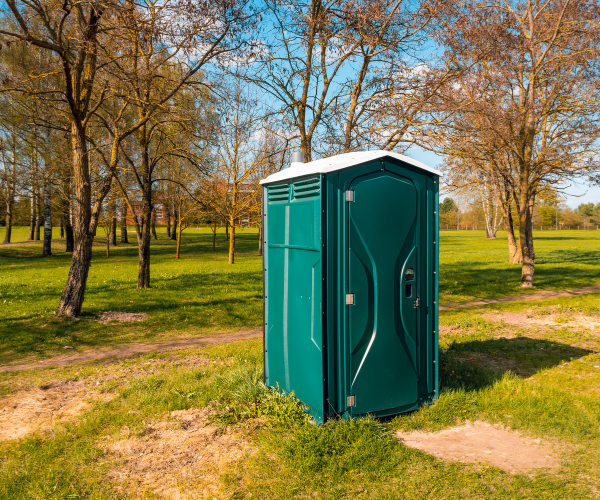
Portable Toilet Rentals in Honey Creek Township, Iowa
Call today for a free quote (319) 308-5487
Portable Toilet
Fast, Easy, & 100% Free To Get Started
Over 20 Years Of Experience
For over 20 years, Fusionsite Iowa has been a trusted partner in Honey Creek Township. We deliver exceptional portable toilet solutions, emphasizing quality and customer satisfaction. Our dedication to the community ensures reliable and top-notch service at every step.
Quality Service Guaranteed
In Honey Creek Township, our portable toilet service stands for quality and reliability. Each unit gets thoroughly cleaned and maintained, providing you and your guests with an exceptional restroom experience.
Fast and Reliable Delivery
Our portable toilet delivery is both fast and reliable, ensuring you have what you need precisely when you need it. We deliver throughout Honey Creek Township with a commitment to timeliness and efficiency, making your event or construction project run smoothly.
Efficient Portable Toilet Solutions in Honey Creek Township
Call for a Free Quote Today
(319) 308-5487
Need dependable and reliable portable toilet solutions in Honey Creek Township? Look no further than our locally owned company! We specialize in providing clean and convenient portable toilets for a variety of events, including construction sites, parties, festivals, and weddings. Our commitment to quality and customer satisfaction has made us the go-to choice for residents in Honey Creek Township and surrounding areas. Whether you are organizing a large-scale event or a small gathering, we have the expertise and inventory to meet your needs. Our prompt service ensures you have everything set up on time, allowing you to focus on hosting a successful event. Choose us for your next event and experience the difference a professional team can make.
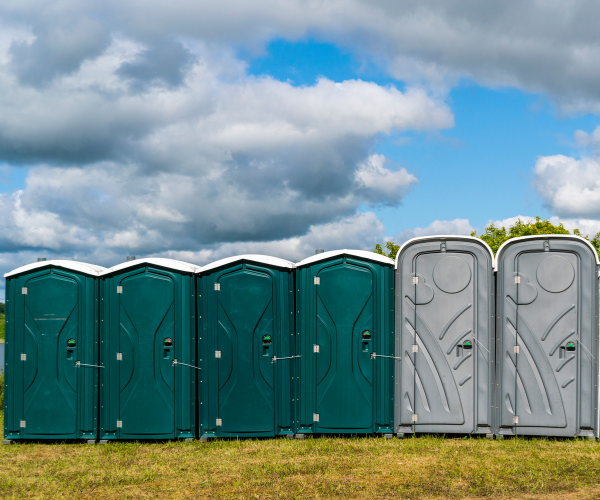
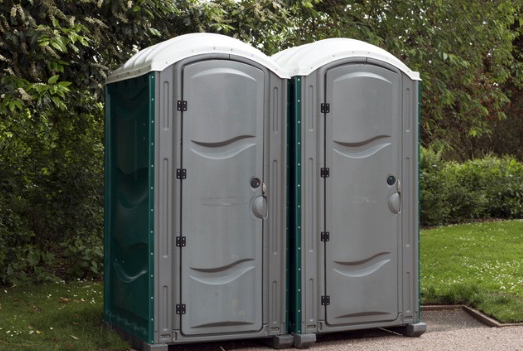
Standard Portable Toilet
Our standard porta john rental units are durable and reliable for any commercial build site, housing development, public works project, or remodel job.
Features include dome lighting, grated floors, and an “In-Use” locking mechanism for privacy and comfort.
Regularly maintained, inspected, and cleaned by FusionSite at your location.
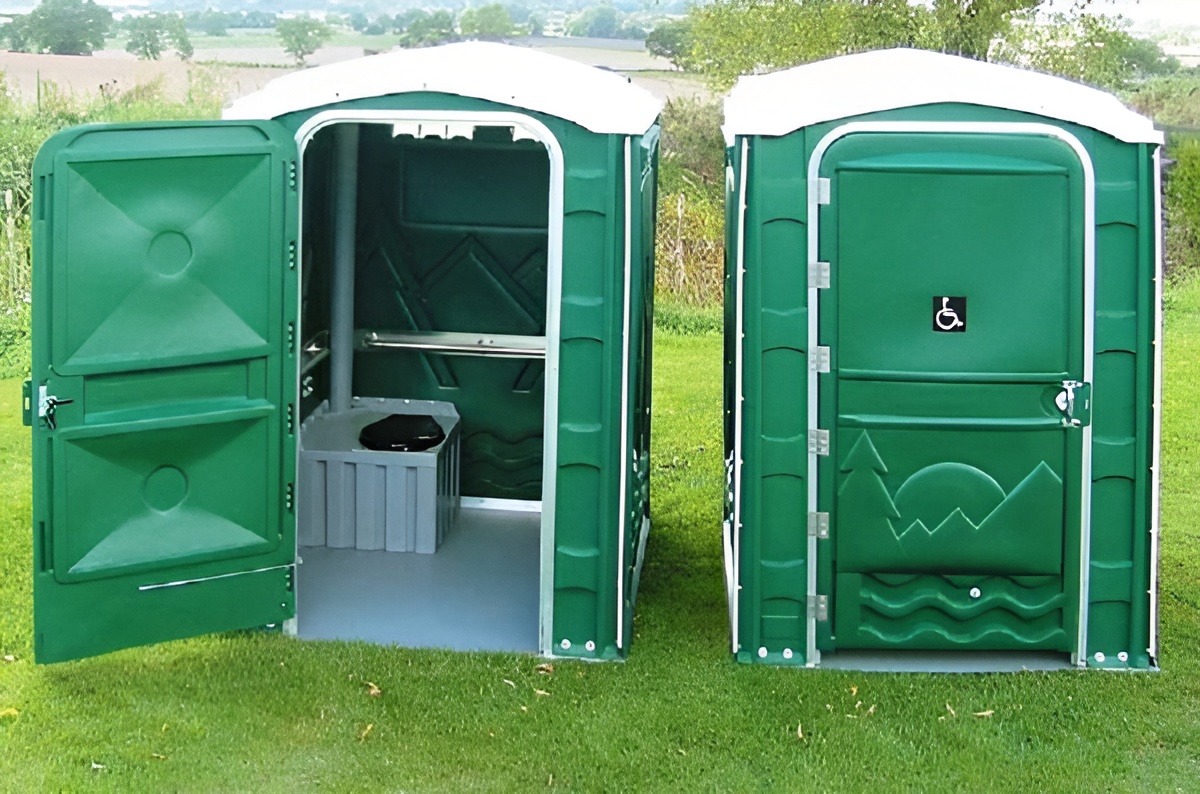
Wheelchair Accessible Restrooms
Developed as an alternative to full ADA-compliant restrooms, the Liberty is a spacious, wheelchair-accessible unit that can also be promoted as a family-sized restroom.
Includes a patented flat-floor system for easy wheelchair access and maneuverability.
Handrails, paper holder, and rotary latch are designed for simple, intuitive end-user operation.
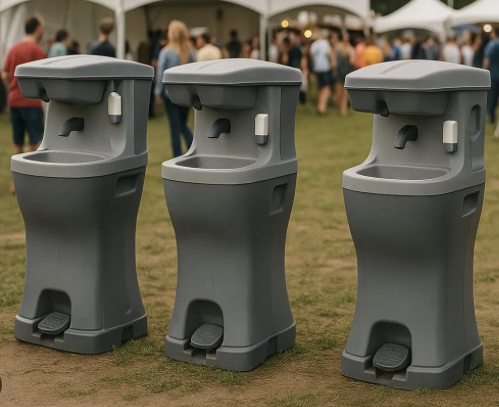
Portable Sink
Portable hand washing stations are essential for keeping your work site sanitary and clean.
Features hands-free foot pumps, liquid soap, and paper towels.
Perfect for job sites without water hookups, these units can handle hundreds of washes between services.
We Proudly Serve
Standard Portable Toilets
Our standard portable toilets provide clean and convenient restroom solutions across 'Fusionsite Iowa'.
High Rise Portable Toilets
Offering high rise portable toilets tailored to construction sites in Honey Creek Township.
Restroom Trailers
Experience luxury with our restroom trailers at 'Fusionsite Iowa', perfect for upscale events in Honey Creek Township.
Roll off Dumpsters
Efficient roll off dumpsters for various waste management needs at 'Fusionsite Iowa'.
Septic Tank Cleaning
Professional septic tank cleaning services available at 'Fusionsite Iowa', ensuring hygienic conditions.
Grease Trap Cleaning
Keep your kitchen compliant with our expert grease trap cleaning services in Honey Creek Township.
Fencing & Barricades
Secure your site with our top-notch fencing and barricade services from 'Fusionsite Iowa'.
Residential Storage
Convenient residential storage solutions in Honey Creek Township by 'Fusionsite Iowa'.
Honey Creek Township Portable Toilet and Event Services
Getting a quote and scheduling a delivery for a portable toilet in Honey Creek Township is easier than ever. Start by visiting our website, where you can find the 'Get a Quote' buttons prominently displayed throughout the page. Simply fill out your first name, last name, phone number, and email, and you'll be well on your way to securing the sanitary solutions you need for your event or project. Our process is designed to streamline your rental experience, offering not only convenience but a certainty of a hassle-free arrangement. Beyond the online forms, our friendly support team is more than happy to assist with any questions or concerns you may have. We understand the nuances involved in event planning or construction projects, which is why we prioritize clear communication and responsive service.
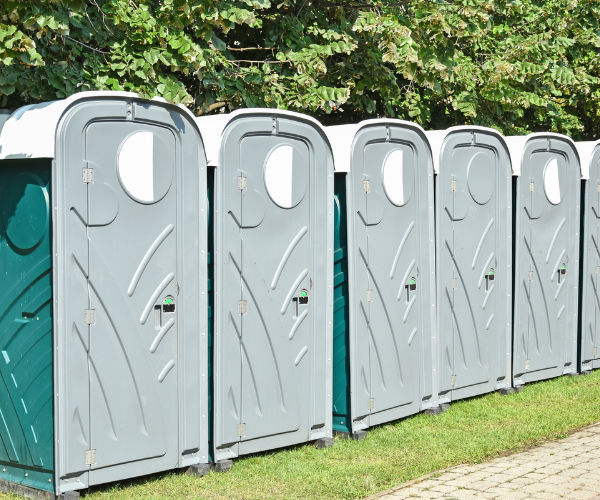
Nestled in the heart of Iowa, Honey Creek Township exudes a local charm that makes it a perfect setting for events and gatherings. Our portable toilet services complement this environment, offering clean and convenient solutions to ensure every guest at events like the annual Honey Creek Bike Rally has a pleasant experience. Whether it's a community festival, a backyard wedding, or a construction project, our units provide reliable sanitation across a variety of outdoor settings. Embracing the attractions that define Honey Creek Township, such as the scenic Hitchcock Nature Center, our services integrate seamlessly into the community's natural beauty. From picturesque landscapes to vibrant events, our portable toilets are tailored to meet the area's unique needs, ensuring both functionality and aesthetic alignment. With a steadfast commitment to local preferences and environmental responsibility, our toilet rentals underscore what makes Honey Creek Township special. Choose us for any occasion and enjoy peace of mind, knowing you're supporting a local business dedicated to enhancing the community's high standards.
Our company stands as the preferred choice for portable toilet services in Honey Creek Township thanks to our unwavering focus on quality and community. Our strong local ties mean we understand the area's unique needs and preferences, ensuring that our services are a perfect fit no matter the occasion.
By choosing us, you're selecting a partner committed to making every event successful. Our meticulous attention to detail and focus on customer satisfaction guarantee that your experience with us will be nothing short of excellent. We pride ourselves on being the best in Honey Creek Township, providing exceptional value through reliability, cleanliness, and prompt service.
For fast, reliable portable toilet services, our company stands as the leader in Honey Creek Township. We recognize the crucial need for timely service, especially for events and projects with tight schedules.
Our commitment to prompt delivery guarantees your portable toilets will be in position precisely when required, letting you concentrate on your event or construction project without worrying about logistical setbacks. Rely on us to manage your sanitary needs with professionalism and efficiency, providing peace of mind throughout the process.
Explore Portable Toilets in Honey Creek Township
Renting a portable toilet in Honey Creek Township through our company is a straightforward process designed with convenience in mind. First, head to our website where you'll find various 'Get a Quote' buttons prominently displayed. Clicking on any of these buttons will lead you to a simple form we use to gather essential details for your order, including your first and last name, phone number, and email address.
Once you've filled out the form, submit it and our team will promptly get in touch with a personalized quote and additional information you may need regarding our services. We also have forms located at the top and bottom of our pages to ensure ease of access irrespective of where you are in your browsing journey. Whether by phone or email, our customer service team will ensure any inquiries or special arrangements are addressed swiftly.
Alternatively, should you require assistance outside regular browsing hours, our contact information is readily available, providing you the flexibility to arrange rentals at your convenience. With our customer-centered approach, we strive to accommodate unique requests, be it for large-scale events or small gatherings, with the assurance that each portable toilet will meet your specifications.
Incorporating technology into our booking processes further streamlines how quickly we can confirm and process your order, reducing lead times and enhancing user experience. Trust us to deliver an effortless and efficient rental process that complements the exemplary service we're known for.
The typical delivery timeframe for portable toilets often depends on various factors surrounding the logistics of your specific requirements. Generally, our company prides itself on offering prompt and efficient delivery services within Honey Creek Township, ensuring that from the moment you place an order, our team coordinates swiftly to fulfill your needs.
For standard rentals without special arrangements, expect a timeline of approximately 24 to 48 hours from order confirmation to delivery. This timeframe allows us to perfectly prepare and clean each unit, ensuring it meets the highest standards before arriving at your site. We recommend booking early when planning large events or during peak seasons to guarantee availability and minimize any potential delays.
Should you require expedited service due to unforeseen circumstances or last-minute needs, our team is exceptionally flexible and capable of second-day or even same-day deliveries, subject to availability. We recognize how crucial timely services are to the smooth functioning of your event or project, hence our commitment to reliability and responsiveness.
Once your order has been placed, our customer service department will provide constant updates regarding the estimated arrival time and any other pertinent information needed to facilitate a seamless delivery experience. We measure success not just by speed but also by the quality and satisfaction guaranteed to every client.
No matter the size or complexity of an order, our focus remains on fulfilling our commitments with precision and punctuality, making us the trusted choice for portable toilet rentals in Honey Creek Township.
We can handle any event or construction project in Honey Creek Township and beyond with precision and expertise. Our extensive product range features luxury restroom trailers, standard porta potties, roll-off dumpsters, large-capacity holding tanks, and ADA-compliant units to ensure inclusivity at your event.
Our services are tailor-made for various occasions, including festivals, sporting events, weddings, corporate gatherings, and family reunions. Whether you've planned for an intimate indoor event or a grand outdoor function, our thorough sanitation solutions comfortably meet all needs.
On construction sites, we go beyond basic sanitation with our portable solutions. Our offerings include fencing and barricade options to manage access effectively and promote site safety. With portable sinks and hand sanitizer stations, we uphold high hygiene standards, making cleanliness both simple and effective.
We are committed to excellence, consistently exceeding regulatory standards and providing you with the peace of mind that professionals are managing your sanitation needs. Our range of customizable options ensures we meet the unique requirements of your venue and expected crowd size, leaving nothing to chance.
We prioritize your satisfaction and can adapt our services on short notice to accommodate any unexpected changes in logistics or needs. Rely on us for dependable, high-quality portable restroom services for every event and construction endeavor.