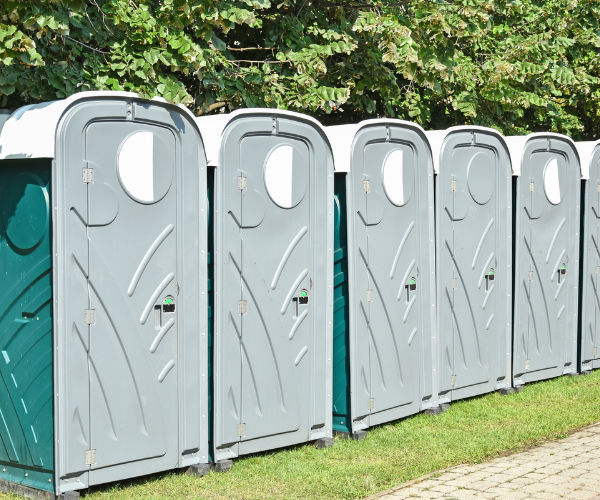
Portable toilets stand out as environmentally friendly options due to several key factors. By using a closed waste management system, they significantly reduce the risk of untreated waste contaminating local ecosystems compared to traditional methods. These units are engineered to minimize water usage—some relying on chemicals to break down waste efficiently, which conserves gallons of water that standard toilets would otherwise use. The compact and resource-efficient design of portable toilets allows them to operate effectively without plumbing infrastructure, making them an excellent sustainable choice for outdoor events and remote locations.
Event planners and construction managers choosing portable toilets contribute to reduced environmental footprints. Because each portable toilet is self-contained and often made from recycled materials, they lower the demand for more infrastructure-heavy sanitary solutions. Furthermore, the transportation and servicing of these units are streamlined to reduce the carbon footprint, using routing systems that maximize fuel efficiency.
Eco-conscious innovation in portable toilet design includes advancements in biodegradable chemicals and materials. As the industry continues to grow, manufacturers prioritize sustainable practices such as using solar-powered ventilation and recycled or repurposable materials, ensuring that the solutions available today are not only effective but environmentally sound. To further support eco-friendly practices, portable toilet providers often implement detailed strategies for waste collection and disposal that meet or exceed environmental regulations, placing sustainability at the forefront of their operation.
The utilization of portable toilets thus aligns well with modern environmental goals, demonstrating significantly lower waste output relative to traditional restroom facilities. By choosing portable toilets, you contribute to broader ecological benefits while maintaining high sanitation standards. As awareness and technology advance, these facilities represent a commitment to reducing ecological impact while ensuring public health and convenience.

Portable Toilet Rentals in Keokuk County, Iowa
Call today for a free quote (319) 308-5487
Portable Toilet
Fast, Easy, & 100% Free To Get Started
Years of Trusted Service
Our decade-long experience in Keokuk County reflects strong community connections and a commitment to quality and satisfaction. This dedication has established us as the preferred choice for portable restroom rentals in the area.
Exceptional Service Quality
Our commitment to quality is unmatched, ensuring our portable toilets meet the highest standards of cleanliness and reliability. We strive to provide exceptional service, making us a trusted leader in the industry.
Prompt and Efficient Delivery
Our team prioritizes timely service, guaranteeing portable toilets arrive precisely when and where you need them, minimizing disruptions. Experience seamless service through our effective and swift delivery process, ensuring reliability and convenience.
Portable Toilet Solutions in Keokuk County
Call for a Free Quote Today
(319) 308-5487
Welcome to our trusted portable toilet rental service in Keokuk County, where customer satisfaction takes precedence. As a reliable, locally owned company, we excel in providing dependable services for construction sites, parties, festivals, and weddings. Our extensive collection of portable solutions guarantees clean, convenient restroom facilities, supporting local communities and nearby areas to uphold hygiene and comfort. Select our services for your upcoming event or worksite project, and experience a level of expertise and reliability you can trust.
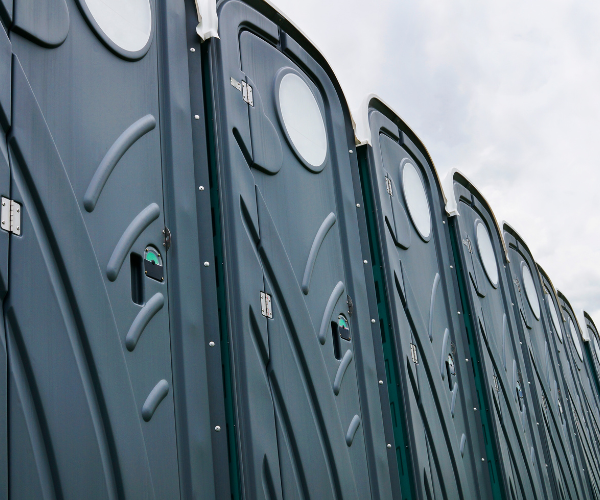
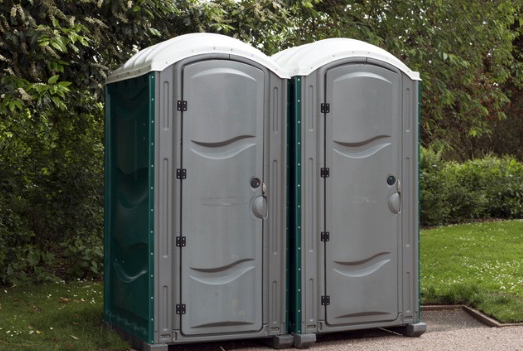
Standard Portable Toilet
Our standard porta john rental units are durable and reliable for any commercial build site, housing development, public works project, or remodel job.
Features include dome lighting, grated floors, and an “In-Use” locking mechanism for privacy and comfort.
Regularly maintained, inspected, and cleaned by FusionSite at your location.
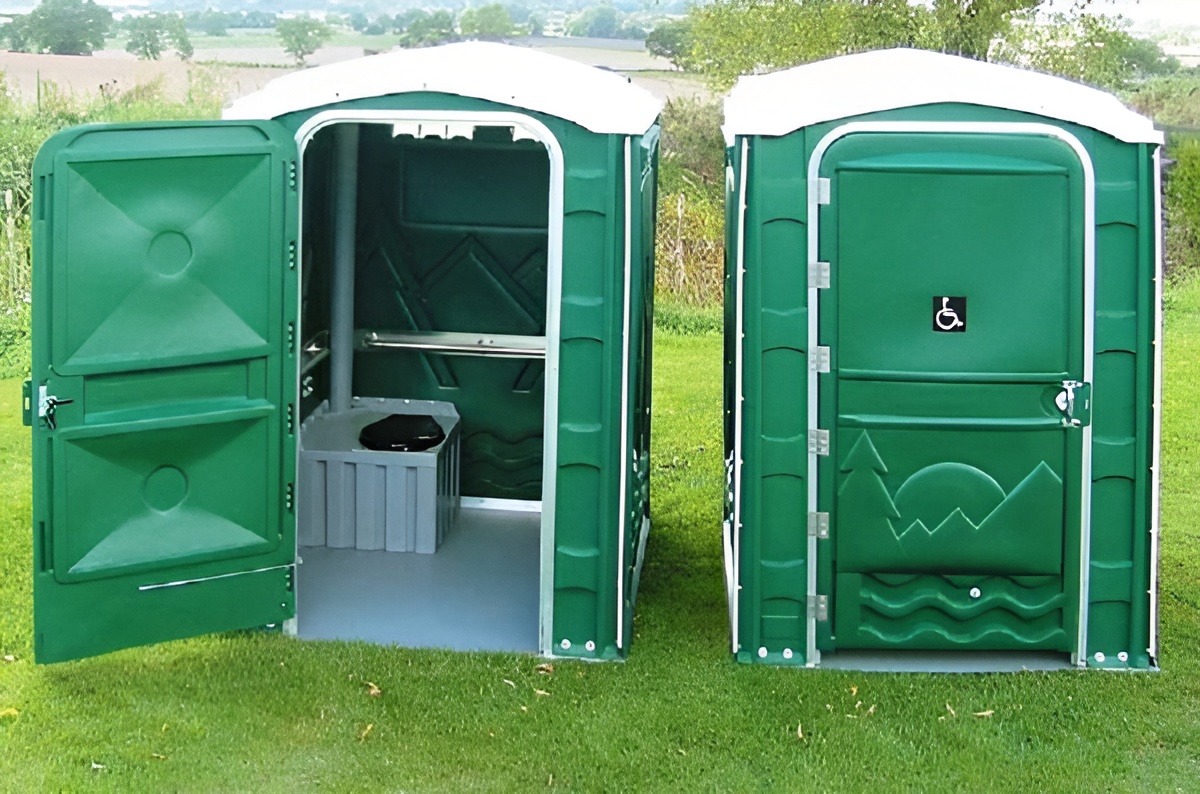
Wheelchair Accessible Restrooms
Developed as an alternative to full ADA-compliant restrooms, the Liberty is a spacious, wheelchair-accessible unit that can also be promoted as a family-sized restroom.
Includes a patented flat-floor system for easy wheelchair access and maneuverability.
Handrails, paper holder, and rotary latch are designed for simple, intuitive end-user operation.
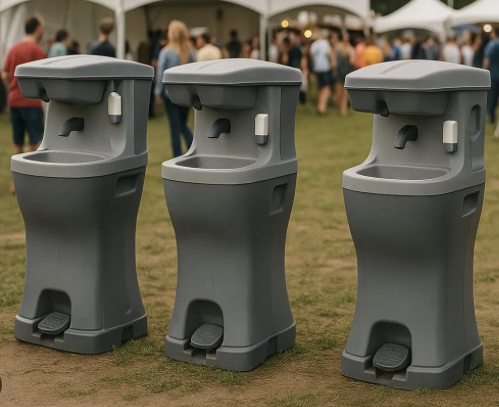
Portable Sink
Portable hand washing stations are essential for keeping your work site sanitary and clean.
Features hands-free foot pumps, liquid soap, and paper towels.
Perfect for job sites without water hookups, these units can handle hundreds of washes between services.
We Proudly Serve
Standard Portable Toilets
Our Standard Portable Toilets provide reliable and clean sanitation solutions for any event or worksite in Fusionsite Iowa.
High Rise Portable Toilets
High Rise Portable Toilets service offers specialized sanitation solutions for construction and events in Iowa, Keokuk County.
Restroom Trailers
Our Restroom Trailers in Keokuk County offer premium portable restroom solutions for any occasion or event.
Roll off Dumpsters
Fusionsite Iowa's Roll off Dumpsters in Keokuk County provide efficient waste management solutions for any project.
Septic Tank Cleaning
Reliable Septic Tank Cleaning services offered by Fusionsite Iowa ensure optimal sanitation and maintenance in Iowa.
Grease Trap Cleaning
Efficient Grease Trap Cleaning services in Keokuk County keep commercial kitchens running smoothly in Iowa.
Fencing & Barricades
Fencing & Barricades service in Fusionsite Iowa provides durable solutions for any construction or event needs.
Residential Storage
Secure and flexible Residential Storage services available in Keokuk County, Iowa, through Fusionsite Iowa.
Keokuk County Portable Toilets and More
Getting a quote for our portable toilets is incredibly easy and convenient, allowing you to focus on planning your event or construction project. Our user-friendly website enables you to simply click on the Get A Quote buttons located strategically on every page. Furthermore, our forms, positioned at the top and bottom of the page, streamline the process – all we need is your first and last name, phone number, and email. Our dedicated team then takes it from there, providing you with a detailed quote tailored to your specific needs.
Our efficient delivery service guarantees that your portable toilets will be where you need them, exactly when you need them. Whether your event is a large festival or an intimate wedding, or even a construction site requiring sanitation solutions, we have the flexibility to accommodate various demands. In Keokuk County, no job is too big or small for us; you can rest assured knowing that our portable toilets are delivered clean and ready to use.
We understand that planning an event or construction project requires strict attention to detail, which is why our team is here to support you throughout the entire process. Our expertly managed logistics ensure that delivery and setup are seamless, minimizing any potential stress. Trusting us means choosing a partner with a reputation for reliability and customer satisfaction, making your journey from quote to delivery friction-free.

Keokuk County's vibrant community, with its scenic landscapes and active local events, presents the ideal venue for our premier portable toilet services. Whether you're organizing a community gathering at Lake Belva Deer or hosting festivities during the annual Keokuk County Expo, we deliver unmatched convenience tailored to your specific needs. Our portable toilets suit Keokuk County’s lively schedule, from bustling festivals to intimate celebrations. Renowned for supporting local charm and enhancing guest experiences, we ensure each event flows seamlessly with immaculate restroom facilities. By prioritizing reliability and comfort, our services align perfectly with the county's social fabric, reinforcing our position as the preferred provider. Experience the benefits of partnering with a company firmly embedded in the community, offering personalized service and exceptional products that elevate every occasion.
Choosing us in Keokuk County means embracing exemplary service and a strong commitment to engaging with the community. Our longstanding history in the area highlights our dedication and reputation for consistently delivering outstanding portable toilet solutions.
Residents and businesses truly value our attention to local needs, whether for large-scale events or intimate gatherings, consistently finding our services to be reliable, spotless, and beneficial. With a profound understanding of what sets Keokuk County apart, we deliver unparalleled services that mirror the area's distinctive character.
As dependable partners, we enhance your events' success with superior portable restroom solutions, ensuring every occasion receives the quality and support it deserves.
In today's fast-paced world, prompt and reliable services are crucial—especially for portable toilet rentals in Keokuk County. We pride ourselves on offering exceptional service and swift execution, ensuring our units are delivered quickly and set up according to your schedule.
Our team is always prepared to meet the demands of fluctuating timelines, providing peace of mind that your event, construction site, or special occasion will have the necessary sanitation facilities exactly when needed.
With a commitment to speed and efficiency, we stand as the reliable choice for Keokuk County, allowing you to focus on what truly matters, knowing you have partnered with a company dedicated to punctuality and excellence.
Discover Our Portable Toilet Solutions in Keokuk County
Renting a portable toilet in Keokuk County through our service is straightforward and user-friendly. Simply navigate to our website, where you will find the Get A Quote buttons available at the top and bottom of each page, as well as prominently displayed throughout. By clicking these buttons, you are initiated into a seamless rental process that requires basic information. Fill out the form, which requests your first and last name, phone number, and email address. This information allows us to quickly engage with your request and offer a tailored quote for your specific needs.
Our team is on hand to guide you through the options available, ensuring you receive the most suitable portable toilet units for your event or construction project. Whether you require basic units, luxury restroom trailers, or ADA-compliant options, our range is both comprehensive and flexible, designed to meet varied requirements with ease. We understand the necessity for reliable sanitation services, and our prioritization of customer satisfaction means your booking experience will be hassle-free and efficient.
Choose us for your portable toilet needs in Keokuk County, where expertise and excellent service converge. Our professionals are adept at providing insights and recommendations to optimize your setup, assisting with placement and logistical considerations to ensure maximum user convenience and facility efficiency.
For any queries during the decision-making or rental process, our customer support remains accessible, providing additional information and speedy responses to any inquiries you might have. Our aim is to facilitate an uncomplicated rental process, one that allows you to focus entirely on what matters: the success of your event or project. This seamless approach is why many trust us as the leading portable toilet rental service in Keokuk County.
The delivery timeframe for portable toilet orders typically depends on several factors, including the location of the event or site, the number of units required, and the type of service selected. However, we prioritize prompt and efficient delivery as part of our commitment to outstanding customer service. Typically, upon finalizing an order, delivery can be expected within 24 to 48 hours, ensuring adequate preparation time for clients.
Our scheduling process is designed to be flexible and accommodating to different client needs. For events or projects requiring urgent service, we offer expedited delivery options to cater to unforeseen circumstances or last-minute planning changes. Our logistical approach combines localized knowledge with advance planning, ensuring we make the most of our resources to meet deadlines efficiently.
Clients will receive updates and confirmations regarding their delivery times, so there are no uncertainties. Our experienced drivers and technicians coordinate closely with event organizers or site managers to ensure that setup aligns with planned schedules. This level of cooperation ensures that each setup is completed with precision, minimizing any disruption as your event or project begins.
For continuous projects or long-term agreements, we offer scheduled maintenance and servicing plans, ensuring the units' cleanliness and operability throughout their rental duration. This proactive approach to service delivery not only takes reliability to the next level but underscores our reputation for timely and dependable service.
By choosing our service, you benefit from a network that places efficiency at the core of operations. As our client, you are assured that your portable toilets will be delivered precisely when you need them—guaranteed to support your needs with unmatched reliability.
Yes, we are equipped to service any event type or construction site across Keokuk County and beyond. Our versatile catalog ranges from festivals and sporting events to weddings and corporate functions, ensuring we can meet the distinct demands of any occasion. In addition to luxury restroom trailers and standard porta potties, we offer specialized solutions such as roll-off dumpsters, fencing, barricades, holding tanks, ADA-compliant units, portable sinks, and hand sanitizer stations.
This extensive range ensures that no matter the size or nature of your event, we provide bespoke sanitation plans that enhance the experience for all attendees. Our approach is rooted in customization, enabling us to tailor our offerings to align with specific event specifications, budgets, or regulatory requirements. By covering a broad spectrum of services, we guarantee convenience and satisfaction tailored precisely to each client's needs.
For construction sites, our durable portable toilets and accessory options cater to the rugged demands of day-to-day site use. With regular servicing and maintenance protocols, we ensure these facilities remain operable and sanitary throughout the project lifespan. This extends to handling special requirements such as heightened safety measures or environmentally friendly practices.
Our comprehensive ability to adapt and provide services for any setting means that our offerings are as versatile as our clients need them to be. This commitment to flexibility and service excellence ensures that we remain the trusted provider for all portable sanitation needs within the region.