Portable toilets provide several eco-friendly advantages that significantly contribute to environmental conservation. Firstly, they use less water compared to traditional toilets, reducing water waste in areas where it is particularly scarce or during mass gatherings where water supply may be limited. By curbing water use, portable toilets aid in conservation efforts in water-stressed regions and events that aim for sustainability.
These units are also designed to handle waste efficiently. Modern portable toilets come equipped with advanced chemical treatments that break down waste and control odors, reducing environmental impact. Additionally, the contained waste management system means that waste is collected and disposed of in controlled environments, further reducing the risk of contamination to surrounding areas or groundwater. This method ensures that public lands and outdoor events remain clean and pristine for future use.
Moreover, employing portable toilets in busy public areas reduces strain on local plumbing infrastructure, lowering the risk of overflow and damage. It also supports the health of ecosystems by mitigating pollution from improper waste disposal, something which is especially important in natural settings or protected areas.
Another key environmental benefit is that many portable toilets are now constructed with sustainable materials, reflecting a shift towards greener production practices. From using recycled or recyclable materials to employing energy-efficient processes in the manufacturing stage, the industry is moving towards a more sustainable model.
Overall, choosing portable toilets is a forward-thinking decision for event organizers and site managers committed to environmentally responsible practices. These units not only fulfill essential sanitation needs but do so in a manner that respects and protects our natural world.

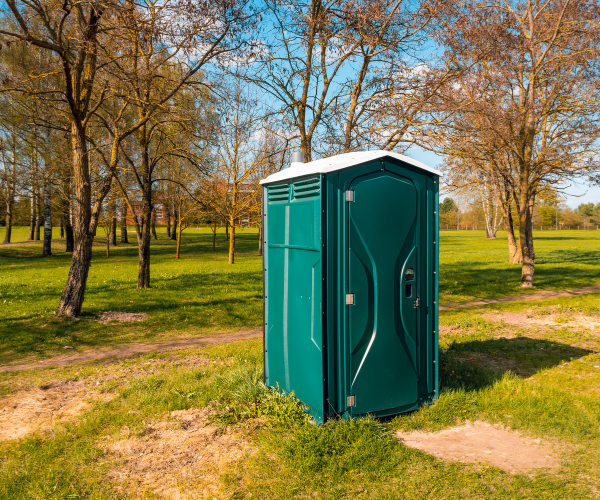
Portable Toilet Rentals in Liberty Township, Iowa
Call today for a free quote (319) 308-5487
Portable Toilet
Fast, Easy, & 100% Free To Get Started
Over 20 Years of Experience
For over two decades, our company has been an integral part of the Liberty Township community. We focus on providing top-notch portable toilet services, guaranteeing both customer satisfaction and dependable service.
Unmatched Quality Service
Our portable toilet services are celebrated for their outstanding quality and hygiene. We consistently aim to surpass customer expectations with each rental, upholding rigorous sanitation standards.
Fast and Efficient Delivery
Experience quick and reliable delivery of portable toilets with our streamlined services. We ensure timely setup, so you can focus on the success of your event without any sanitation worries.
Reliable Portable Toilet Services in Liberty Township
Call for a Free Quote Today
(319) 308-5487
Welcome to your trusted source for portable toilet rentals in Liberty Township, Iowa. Our locally owned business is famous for delivering reliable services. Whether you're planning a construction project, energetic festival, elegant wedding, or intimate gathering, we offer the ideal sanitation solution tailored to your needs. Serving Liberty Township and nearby areas, we take pride in offering clean, well-maintained units. Rely on us for timely delivery to guarantee a seamless experience for your guests.
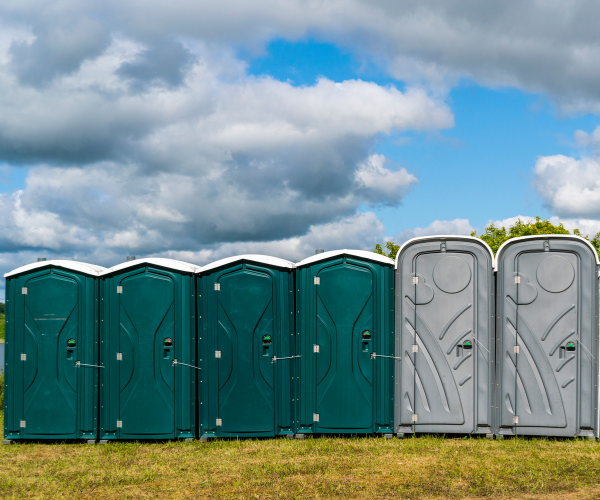
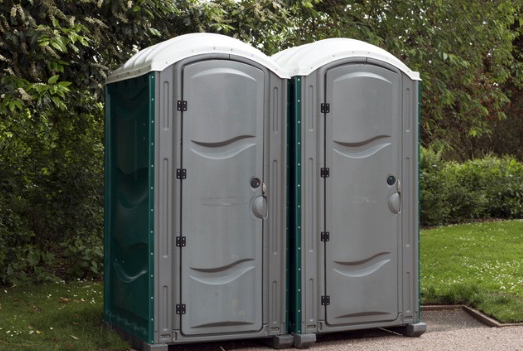
Standard Portable Toilet
Our standard porta john rental units are durable and reliable for any commercial build site, housing development, public works project, or remodel job.
Features include dome lighting, grated floors, and an “In-Use” locking mechanism for privacy and comfort.
Regularly maintained, inspected, and cleaned by FusionSite at your location.
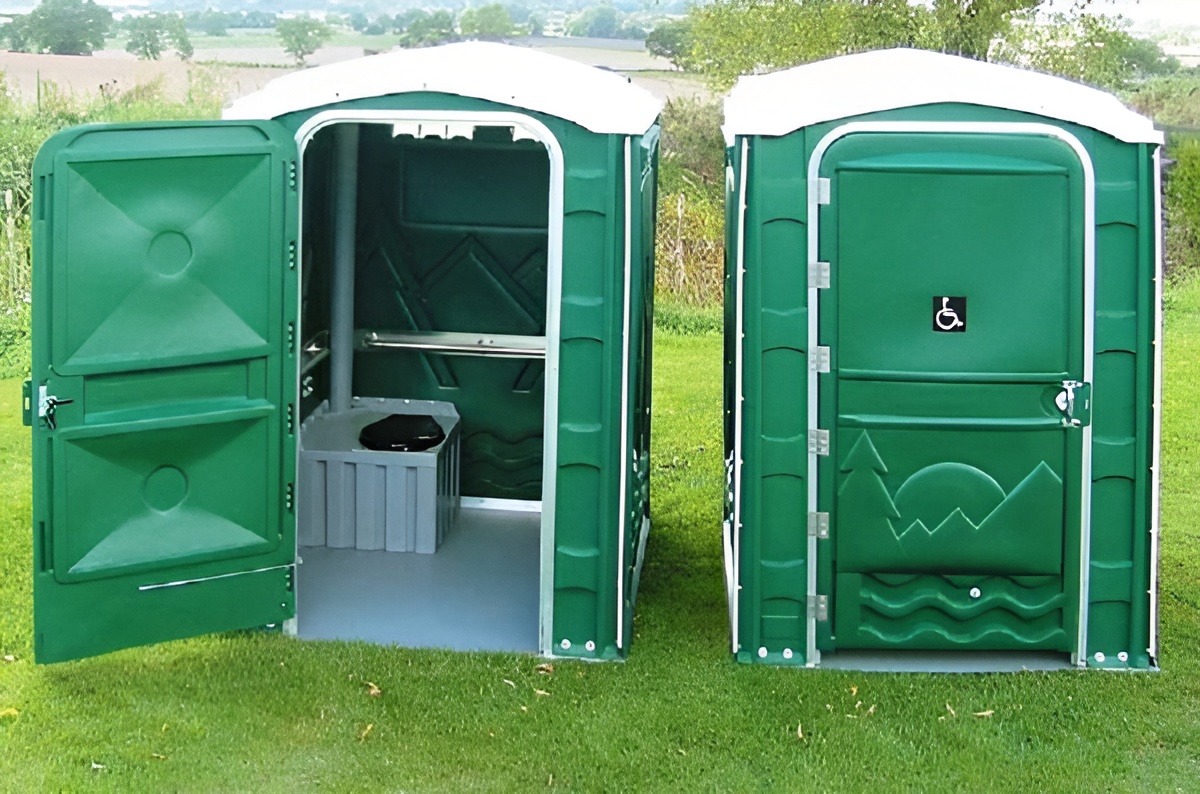
Wheelchair Accessible Restrooms
Developed as an alternative to full ADA-compliant restrooms, the Liberty is a spacious, wheelchair-accessible unit that can also be promoted as a family-sized restroom.
Includes a patented flat-floor system for easy wheelchair access and maneuverability.
Handrails, paper holder, and rotary latch are designed for simple, intuitive end-user operation.
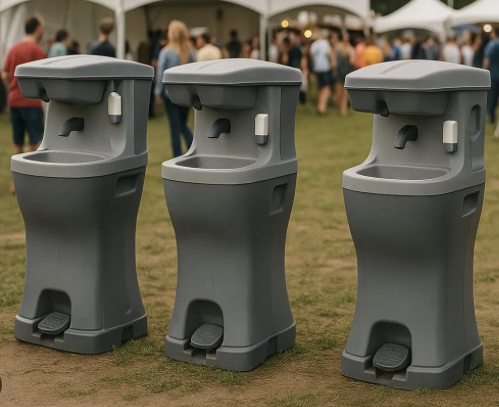
Portable Sink
Portable hand washing stations are essential for keeping your work site sanitary and clean.
Features hands-free foot pumps, liquid soap, and paper towels.
Perfect for job sites without water hookups, these units can handle hundreds of washes between services.
We Proudly Serve
Standard Portable Toilets
Our Standard Portable Toilets provide affordable and reliable sanitation for events and worksites across Fusionsite Iowa.
High Rise Portable Toilets
Perfect for skyscraper and multi-level projects, our High Rise Portable Toilets are designed to meet the unique needs of Liberty Township constructions.
Restroom Trailers
Our Restroom Trailers in Liberty Township offer luxury amenities for high-end events and gatherings.
Roll off Dumpsters
We provide Roll off Dumpsters, offering a convenient waste disposal solution for both residential and commercial projects in Liberty Township.
Septic Tank Cleaning
Professional Septic Tank Cleaning services to keep your system running smoothly in Fusionsite Iowa.
Grease Trap Cleaning
Our Grease Trap Cleaning ensures compliance and efficiency for food establishments throughout Liberty Township.
Fencing & Barricades
Fusionsite Iowa offers robust Fencing & Barricades services for secure and organized event management.
Residential Storage
Our Residential Storage solutions in Liberty Township ensure safe and accessible storage for personal or business needs.
Liberty Township Portable Bathrooms & More
Obtaining a quote and scheduling delivery for your portable toilet needs in Liberty Township has never been easier or more convenient. Our customer-friendly approach ensures that you can get started with just a simple click. Visit our website and you'll find the 'Get A Quote' buttons prominently displayed throughout, ready to assist you in detailing your requirements.
Our intuitive form requires only the essentials: your first and last name, phone number, and email address. Once those are filled out, you are just moments away from receiving your tailored quotation. The simplicity and efficiency of our system mean that you can focus on other aspects of your event or project while leaving your sanitation needs to us.
Delivery is carried out by our skilled team, known for their punctuality and professionalism. Whether it's for a large festival or a small family gathering, we cater to events and requirements of all scales, ensuring that our high standards of service are upheld no matter the size or complexity of the order.
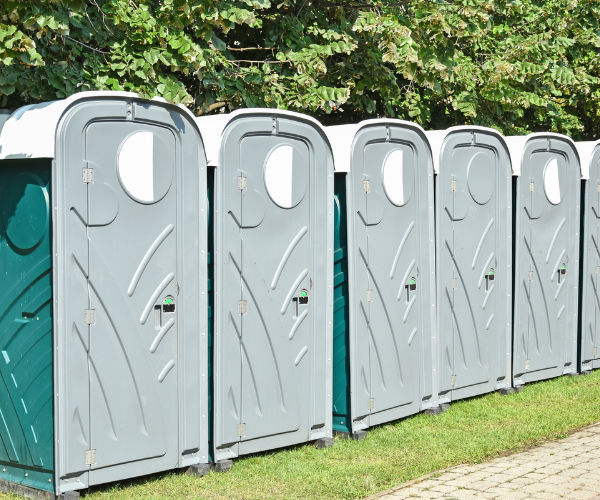
Experience the local charm of Liberty Township with our top-notch portable toilet services designed to enhance your outdoor gatherings and community events. Situated near iconic attractions like Hickory Hills Park, we ensure your guests enjoy seamless sanitation solutions for a comfortable experience. Commitment to the Community defines our approach, offering clean, reliable services that cater to the unique needs of Liberty Township. Whether it's a concert at local events or the annual Liberty Classic days, our portable toilets are the perfect accompaniment, adding convenience and cleanliness to any setting. From bustling community events to serene nature gatherings, our commitment to providing quality sanitation matches Liberty Township's charm, making us the trusted partner for all your portable toilet needs.
Our portable toilet solutions serve as the premier choice for both residents and visitors in Liberty Township. We provide a blend of quality and reliability, underscored by a profound understanding of local requirements. Our unmatched reputation stems from our excellent customer service and meticulous unit maintenance.
Why Choose Us? We offer not only top-tier sanitation solutions but also quick response times and adaptability to any event. With our local expertise, we ensure your event or worksite runs seamlessly, free from disruptions.
We are committed to providing rapid, reliable portable toilet services that you can depend on. With a broad local network, our deliveries are prompt, ensuring your sanitation solutions are ready when you need them.
Experience the convenience of our streamlined booking and delivery process, ideal for any urgent requirements or last-minute events. Our dedication to timely service is a testament to our focus on customer satisfaction and operational efficiency.
Learn More About Our Portable Toilet in Liberty Township
Renting a portable toilet in Liberty Township is straightforward and designed for your convenience. Our website features a dedicated section for easy rentals, complete with 'Get A Quote' buttons strategically placed at the top and bottom of every page. Clicking these buttons will guide you through our simple rental process.
Once you click a button, you'll need to fill out a short form. We keep it straightforward, requiring only your first name, last name, phone number, and email. This approach ensures that we can provide you with a quick, customized quote tailored to your needs. If you have specifics about your event or project, feel free to provide those details to help us serve you even better.
Our team will promptly process your request, striving to deliver a quote as quickly as possible, often within hours. This rapid response is part of our commitment to excellent service, ensuring you can make timely decisions without delay.
We also offer phone support if you prefer speaking directly to a member of our staff for personalized assistance. Whether you're planning a large event or simply need a few units for a short duration, we're here to help facilitate every step of the process.
Our innovative approach to rentals ensures you have all the information you need at your fingertips, allowing you to focus on your special event or project with confidence that the sanitation needs are professionally handled.
The typical delivery timeframe for portable toilet orders largely depends on several factors, including the size of the order, the location of the event, and the availability of the units. Generally, customers can expect delivery within 24 to 48 hours from the time of order confirmation.
For events planned well in advance, we recommend placing your order ahead of time to secure your preferred delivery slots and unit types. This foresight allows us to coordinate logistics effectively and ensures availability, especially during peak event seasons or in areas with high demand.
If you are in need of an urgent delivery, our team is prepared to expedite the process, subject to unit availability. In such cases, please contact our customer support directly to inquire about expedited service options and to receive immediate assistance.
We pride ourselves on maintaining flexibility in our delivery schedules to accommodate last-minute changes or urgent requests. Our drivers are well-acquainted with the local area, which helps in navigating traffic efficiently and delivering units on time, even on short notice.
To further ensure timely service, our logistics team utilizes real-time tracking and routing technology. This system helps us optimize delivery routes, minimizing any delays and keeping you informed throughout the process with continuous updates. Whether it's a one-time event or a long-term project, we are committed to meeting your delivery expectations.
Yes, we are fully capable of servicing any type of event or construction project you have in mind. Our offerings are extensive and designed to cater to the diverse needs of various occasions. From bustling festivals and highly attended sporting events to elegant weddings and corporate gatherings, our portable toilet solutions scale to fit every scenario.
We provide a comprehensive range of units, including luxury restroom trailers for high-end events, standard porta potties for general use, and ADA-compliant units for accessibility needs. For construction sites, we offer robust solutions like roll-off dumpsters for waste management, along with fencing and barricades to ensure safety and order.
Our services extend to adding portable sinks and hand sanitizer stations, essential for maintaining hygiene standards in busy environments. Whatever the scale or type of your event, our customizable options mean you can select exactly what best fits your needs, ensuring a seamless experience for all attendees.
Committed to exceptional service, our team works closely with event organizers and project managers to plan and execute the perfect sanitation strategy. From initial inquiry through delivery and setup, we aim to make the process as effortless as possible, allowing you to focus on the success of your event or site operations.