Portable toilets offer several eco-friendly advantages, making them a significant asset for sustainable event management and construction practices. These units are designed to minimize environmental impact by reducing water usage. Traditional toilets use several gallons per flush, while portable toilets effectively operate with minimal or no water use, conserving resources. Such water-efficient designs aid in drought-stricken or water-limited areas, offering a viable alternative to conventional sanitation facilities. Additionally, many portable toilets incorporate environmentally friendly chemicals that neutralize waste without harming the surrounding ecosystem. These chemicals not only control odors but also facilitate the safe decomposition of waste, helping alleviate the burden on local sewage systems. The mobility of portable toilets ensures they can be strategically placed to reduce environmental disturbance during installations. They support sustainable practices by allowing event planners and project managers to furnish essential facilities without needing to build permanent structures. Furthermore, modern portable toilets can incorporate solar-powered features, such as lighting and fans, further reducing their carbon footprint and promoting renewable energy use. The life cycle of a portable toilet—from manufacturing to end-of-life disposal—is often managed with sustainability in mind, with many components designed for recycling or repurposing. This comprehensive approach to sustainability ensures that portable toilets provide unrivaled convenience for users while actively contributing to environmental preservation.

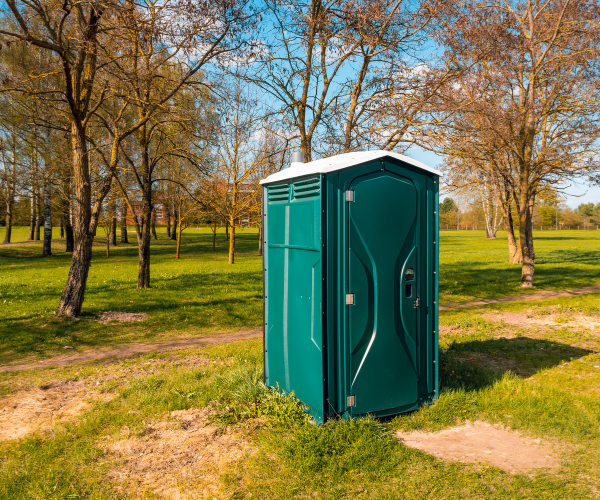
Portable Toilet Rentals in Palo, Iowa
Call today for a free quote (319) 308-5487
Portable Toilet
Fast, Easy, & 100% Free To Get Started
Over 20 Years Of Experience
With over 20 years of experience serving Palo, our company has built a legacy of quality and reliability in portable toilet rentals. We are deeply rooted in the community, ensuring customer satisfaction through personalized service and unmatched expertise.
Outstanding Quality Service
We deliver exceptional quality service that guarantees the cleanliness and functionality of our portable toilets. Our dedicated team is committed to maintaining high standards, ensuring your event or site is well-equipped.
Fast and Reliable Delivery
Our company prides itself on providing fast and reliable delivery for all portable toilet rentals. We ensure timely service to meet the demands of any event or construction site, prioritizing customer convenience.
Efficient Portable Toilet Services in Palo, Iowa
Call for a Free Quote Today
(319) 308-5487
Our portable toilet company in Palo, Iowa, offers reliable and dependable services perfect for an array of events and venues. As a locally owned business, we understand the unique needs of your community and proudly serve nearby areas. Whether it's construction projects, vibrant festivals, corporate events, or beautiful weddings, we deliver clean and well-maintained units that ensure comfort and convenience for all attendees. Our reputation for trustworthiness is built on years of satisfied customers who benefit from timely delivery and prompt service. We prioritize excellence with every rental, ensuring each unit adheres to strict hygiene standards. Our commitment to customer satisfaction makes us a preferred choice for portable toilet rentals throughout the region.
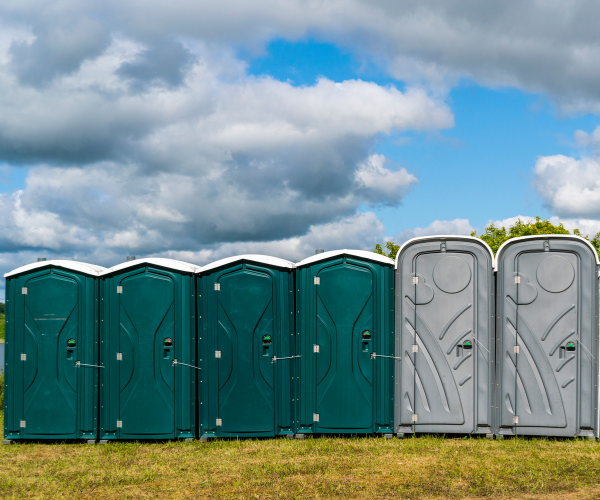
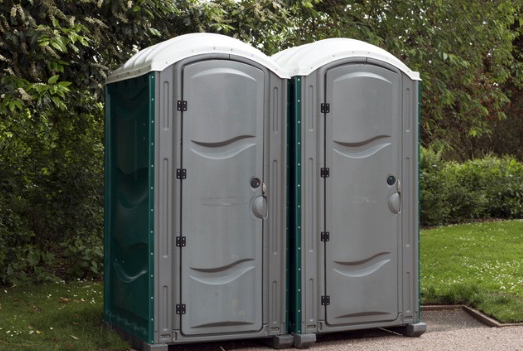
Standard Portable Toilet
Our standard porta john rental units are durable and reliable for any commercial build site, housing development, public works project, or remodel job.
Features include dome lighting, grated floors, and an “In-Use” locking mechanism for privacy and comfort.
Regularly maintained, inspected, and cleaned by FusionSite at your location.
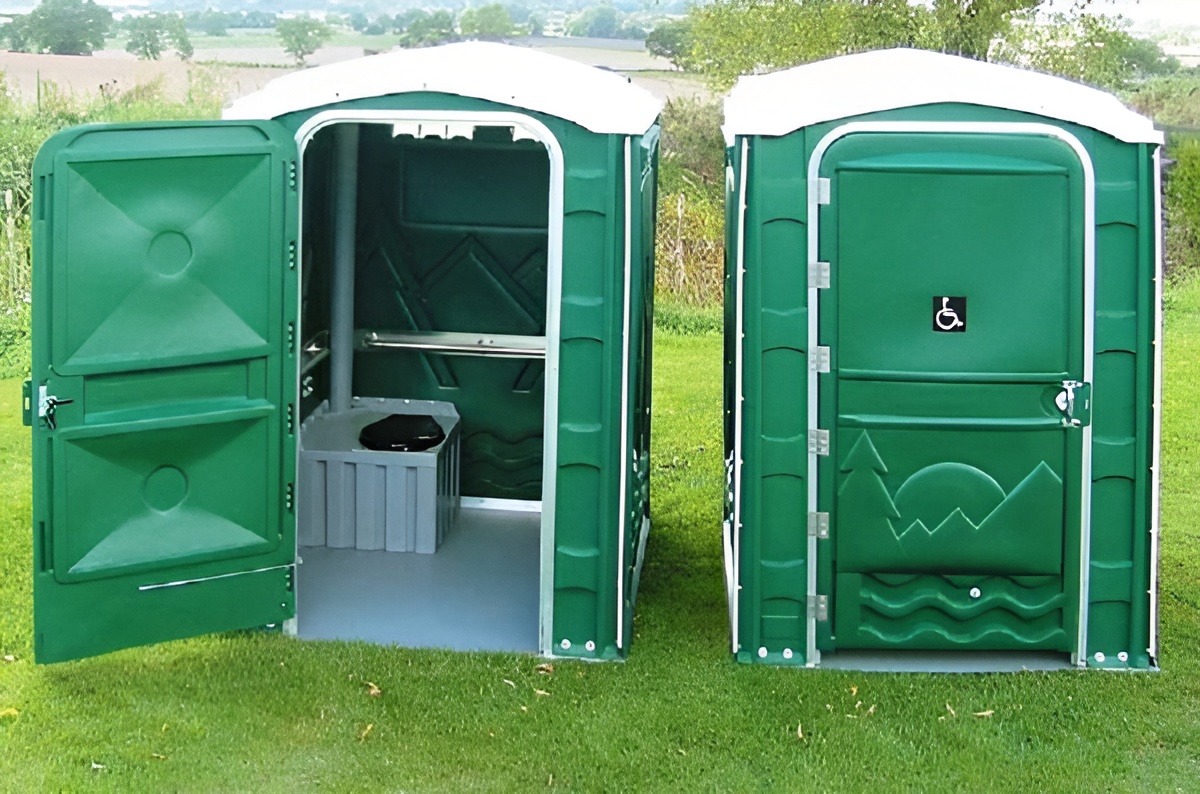
Wheelchair Accessible Restrooms
Developed as an alternative to full ADA-compliant restrooms, the Liberty is a spacious, wheelchair-accessible unit that can also be promoted as a family-sized restroom.
Includes a patented flat-floor system for easy wheelchair access and maneuverability.
Handrails, paper holder, and rotary latch are designed for simple, intuitive end-user operation.
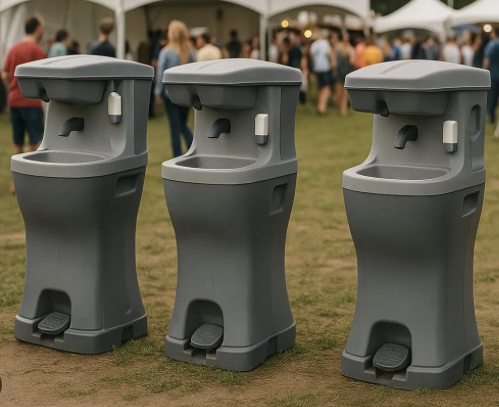
Portable Sink
Portable hand washing stations are essential for keeping your work site sanitary and clean.
Features hands-free foot pumps, liquid soap, and paper towels.
Perfect for job sites without water hookups, these units can handle hundreds of washes between services.
We Proudly Serve
Standard Portable Toilets
Our Standard Portable Toilets provide practical and hygienic sanitation solutions for events and projects in Iowa.
High Rise Portable Toilets
The High Rise Portable Toilets cater to elevated construction projects needing adaptable sanitation options in Palo, Iowa.
Restroom Trailers
Our Restroom Trailers at Palo offer a luxurious sanitation experience with ample space and amenities for every event.
Roll off Dumpsters
We provide Roll off Dumpsters for efficient waste management solutions at Fusionsite Iowa in Palo.
Septic Tank Cleaning
Our Septic Tank Cleaning service ensures sanitary and efficient waste handling for Fusionsite Iowa's diverse needs.
Grease Trap Cleaning
Offering comprehensive Grease Trap Cleaning services, we maintain hygiene standards for food services in Palo, Iowa.
Fencing & Barricades
Our Fencing & Barricades service delivers durable and secure options for events and construction sites in Iowa.
Residential Storage
From Iowa to Palo, our Residential Storage service offers safe, local options for storing your belongings conveniently.
Palo Sanitation Services
Getting a quote and scheduling delivery for our portable toilets is streamlined and hassle-free, ensuring that you have the facilities you need for your event or construction site without any delay. Simply visit our website and you will find forms at both the top and bottom of each page that guide you through the process. Just a few clicks will take you to the 'Get A Quote' option, where you are required to fill out basic details such as your first name, last name, phone number, and email address. This information enables us to tailor our services perfectly to your requirements.
Once you've submitted your details, our dedicated team will promptly process your request, offering a comprehensive quote along with personalized recommendations that fit the scope and scale of your project. Our efficient communication ensures that you're in control every step of the way, making adjustments as needed to meet your specific situation or event.
Our keen focus on clarity and transparency means that not only will you receive quick and reliable service, but you can also anticipate straightforward quotations without hidden fees or surprise charges. The delivery of our portable toilets underscores our commitment to punctuality and service excellence; ensuring your toilet rental needs are met in a timely fashion, aiding in the smooth execution of your event or ongoing operations. Partner with us for a dependable and effortless client experience; with us, convenience is just a click away!
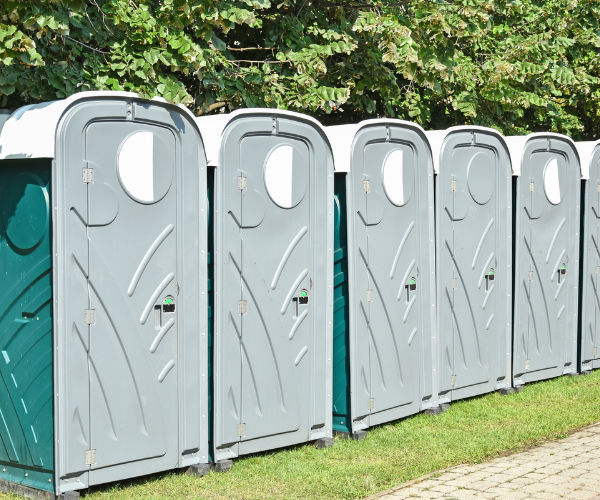
Palo, Iowa, beautifully marries scenic beauty with vibrant community events, making it a perfect spot for gatherings amidst nature. Our portable toilet services enhance these experiences by providing clean and reliable facilities that prioritize guest comfort, particularly during events like the annual Palo Fun Days, a favorite local celebration. From bustling outdoor markets to intimate family reunions, our portable toilets are designed to complement both the unique charm of Palo and the stunning surroundings of Pleasant Creek State Recreation Area. We proudly support the community by delivering exceptional sanitation solutions that align with Palo's reputation for hospitality and warmth. Be it a lively festival or a serene weekend hike, our portable toilets remain a reliable choice, adding to the overall visitor experience with excellent amenities. Located near breathtaking natural landmarks, such as the scenic Cedar River, Palo offers endless opportunities for outdoor adventures. Our portable toilets accompany these activities, ensuring hygiene and comfort are never compromised, even in the great outdoors. We are committed to upholding Palo's vibrant spirit and enhancing every event with quality and convenience.
Top Choice in Palo
Based in the vibrant heart of Palo, our portable toilet company is the leading choice for premium sanitation services. Our success stems from a strong commitment to excellence and active community involvement. By delivering customized solutions, we ensure your event or project benefits from the most appropriate sanitation facilities.
Unmatched Quality
Our reputation as Palo's top provider of portable sanitation rests on high standards and modern units. This dedication to quality ensures our units are reliable and feature-packed, offering users both comfort and convenience. Our responsiveness and meticulous attention to detail consistently exceed customer expectations, setting us apart from competitors.
Commitment to Local Values
As an integral part of the community, we passionately uphold local values like integrity, reliability, and hospitality. These principles drive our operations and define every interaction and service we provide in Palo.
Swift Service Delivery
Our portable toilet services in Palo are synonymous with speed and reliability, ensuring each delivery is completed in a timely manner to accommodate your schedule. Focused on efficiency, our team coordinates and executes delivery and setup seamlessly, minimizing downtime and maximizing satisfaction.
Dependable Operations
We understand the importance of reliable services, especially when it comes to vital amenities like portable toilets. Our commitment to swift, dependable operations is evident in our strategic logistic solutions and robust support infrastructure, promising our clients availability and accessibility when they need it most.
Effortless Convenience
Enjoy peace of mind as we handle the intricate logistics of delivery and maintenance, allowing you to concentrate on your event. Our experienced professionals are dedicated to ensuring that each unit is delivered and set up to perfection, demonstrating the quality and convenience you expect.
Explore More About Our Palo Portable Toilet
Renting a portable toilet in Palo has never been easier with our user-friendly procedures designed to simplify your rental experience. Candidates start by navigating to our website, where forms are conveniently placed at the top and bottom of each page for easy access. By clicking on the 'Get A Quote' buttons that are strategically located throughout the site, users initiate the process. The straightforward application requires basic information like your first and last name, phone number, and email address, allowing us to address your needs expertly. Once this information is submitted, our dedicated customer service team will quickly respond to your request with a detailed quote and offer personalized advice to match the needs of your event or project precisely. Continuous support is provided throughout the rental process, ensuring you communicate directly with our team should you require any modifications or have inquiries. Furthermore, consultation services can help clarify any uncertainties regarding unit selection, site placement, or service scheduling. With transparent pricing and flexible options tailored to a variety of occasions and settings, our rental process emphasizes convenience, ensuring that your sanitation needs are attended to swiftly and professionally — guaranteeing a service experience that matches your expectations.
When you place an order for a portable toilet, we strive to provide a seamless and efficient delivery service tailored to your schedule. The typical delivery timeframe for portable toilet orders depends on several factors, including location, unit availability, and the complexity of the event or site. However, we work diligently to ensure that deliveries are completed within 24 to 48 hours for most standard orders. We recognize the importance of timely service, particularly for urgent needs in construction or sudden event planning. Our logistic teams coordinate extensively to accommodate rush requests whenever possible, highlighting our commitment to client convenience and satisfaction. Additionally, we offer scheduled delivery options that allow you to book units well in advance, securing their availability and enabling you to focus on other important aspects of your project or event preparation. Throughout the entire process, our customer service team remains available to offer consistent updates and address any concerns you might have about delivery timing. Recognizing the dynamic nature of logistics, we employ modern tracking systems and communication tools to keep you informed, ensuring a smooth experience. This efficient collaboration between you and our team exemplifies our dedication to punctuality, reliability, and excellent customer service.
Yes, we proudly service all types of events and construction projects with our wide-ranging sanitation solutions. Our team understands that each occasion comes with its unique set of requirements, and our versatile offerings are designed to meet varying demands with flexibility and professionalism. From large-scale festivals and bustling sporting events to intimate weddings and sophisticated corporate events, we provide everything from luxury restroom trailers to convenient porta potties, ensuring your guests access top-tier amenities. For construction services, we supply durable units that withstand the rigors of job sites, along with essential waste management solutions like roll-off dumpsters. Our extensive catalog also includes fencing, barricades, ADA-compliant units, portable sinks, and hand sanitizer stations that ensure our facilities meet legal standards and enhance public health and safety. With customizable packages and a commitment to exceptional customer support, we offer strategic setups that align perfectly with your venue layout or construction site plans, underpinning our reliability and dependability. This holistic approach to service not only simplifies event planning and project management but elevates the sanitation experience for each attendee, participant, and worker involved.