The eco-friendly advantages of using portable toilets are numerous, contributing significantly to the preservation of environmental quality. Firstly, they conserve water tremendously compared to traditional toilets, as the flushing mechanisms in portable toilets do not use potable water—reducing waste significantly and supporting the efficient use of natural water resources. Additionally, they help prevent pollution in natural spaces. By being the designated facilities for sanitation in areas lacking permanent restrooms, portable toilets ensure human waste is contained and properly disposed of, minimizing the risk of contaminating soil and groundwater. Portable toilets also reduce the need for infrastructure that might disrupt local ecosystems, as they require no permanent plumbing installations. Their design makes it possible to have sanitation solutions virtually anywhere, even in isolated or protected environments, maintaining the integrity of their surroundings. Moreover, modern developments in portable toilet technology incorporate biodegradable chemicals and deodorizing agents that break down waste effectively, thus further reducing ecological impacts. By advocating for the use of portable toilets, communities can sustain their outdoor recreational or construction activities with minimal environmental interference, promoting a harmonized coexistence with nature. Finally, opting for portable toilets signifies a commitment to sustainable practices, as companies invest in green innovations and recycling programs to reduce economic footprints while increasing efficiency. This environmental consciousness showcases a proactive stance towards conservation, supporting a sustainable future for the community.

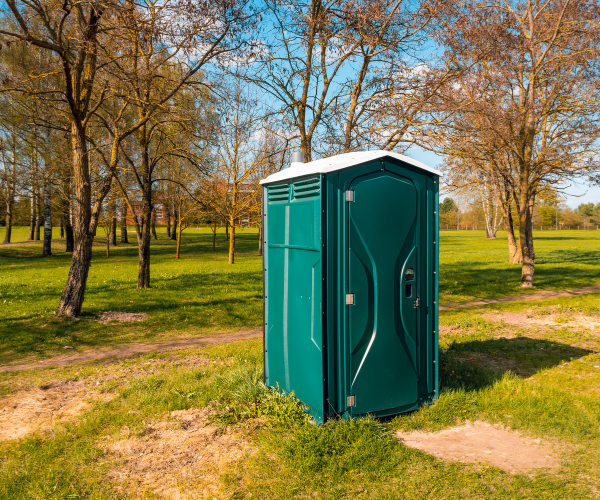
Portable Toilet Rentals in Sumner Township, Iowa
Call today for a free quote (319) 308-5487
Portable Toilet
Fast, Easy, & 100% Free To Get Started
Over 25 Years of Experience
Boasting over 25 years of experience, our company has forged strong community ties in Sumner Township by consistently providing quality portable toilet services. We are committed to maintaining the highest standards of customer satisfaction.
Superior Quality Service
Our portable toilet services stand out for their superior quality, ensuring each unit is impeccably maintained and ready to exceed customer expectations. Trust us to provide the perfect sanitary solutions tailored to your needs.
Efficient Quick Delivery
We pride ourselves on offering quick and reliable delivery, ensuring portable toilets are on-site precisely when needed. Our efficient service allows you to focus on your event or project without concern.
Reliable Portable Toilet Solutions in Sumner Township
Call for a Free Quote Today
(319) 308-5487
Located in the heart of Sumner Township, our company is committed to providing dependable and reliable portable toilet solutions tailored to your specific needs. As a locally owned business, we take pride in servicing our community and surrounding areas with eco-friendly and convenient options for construction sites, parties, festivals, and weddings. Our dedication to maintaining high standards ensures that our units are clean and durable, offering peace of mind to event organizers and site managers alike. With a strong emphasis on customer satisfaction, we strive to deliver exceptional service paired with competitive pricing, making us the top choice for portable sanitation needs in the region. Whether it's a large outdoor event or a private gathering, our team is here to ensure everything runs smoothly with our state-of-the-art, hygienic portable toilets.
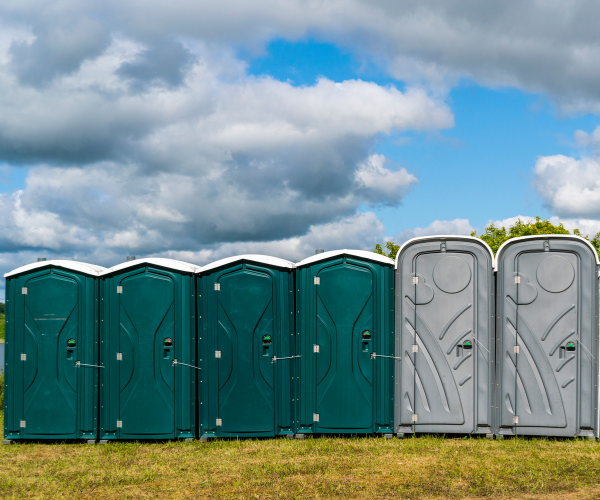
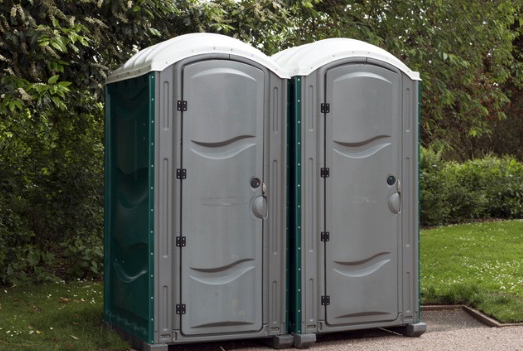
Standard Portable Toilet
Our standard porta john rental units are durable and reliable for any commercial build site, housing development, public works project, or remodel job.
Features include dome lighting, grated floors, and an “In-Use” locking mechanism for privacy and comfort.
Regularly maintained, inspected, and cleaned by FusionSite at your location.
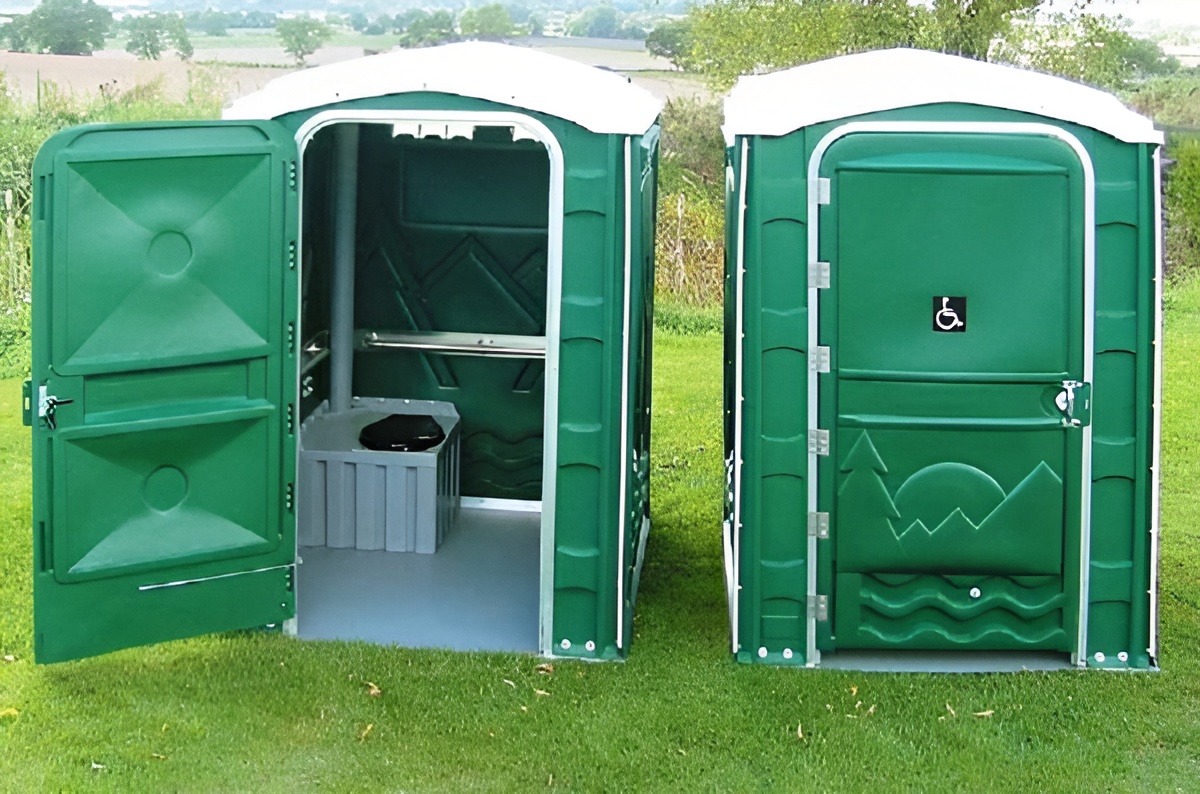
Wheelchair Accessible Restrooms
Developed as an alternative to full ADA-compliant restrooms, the Liberty is a spacious, wheelchair-accessible unit that can also be promoted as a family-sized restroom.
Includes a patented flat-floor system for easy wheelchair access and maneuverability.
Handrails, paper holder, and rotary latch are designed for simple, intuitive end-user operation.
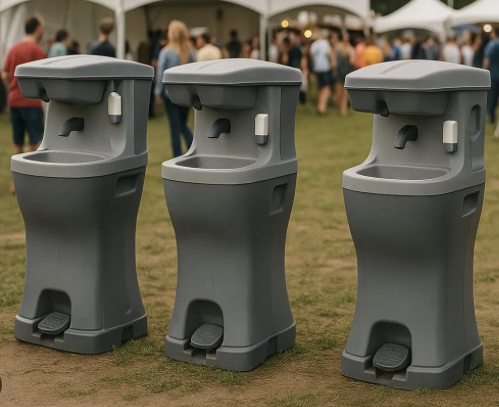
Portable Sink
Portable hand washing stations are essential for keeping your work site sanitary and clean.
Features hands-free foot pumps, liquid soap, and paper towels.
Perfect for job sites without water hookups, these units can handle hundreds of washes between services.
We Proudly Serve
Standard Portable Toilets
Our Standard Portable Toilets in Fusionsite Iowa provide clean and convenient temporary restroom solutions for events and work sites.
High Rise Portable Toilets
Our High Rise Portable Toilets in Sumner Township meet the unique demands of construction sites, offering reliable sanitation for multistory projects.
Restroom Trailers
At Sumner Township, our Restroom Trailers offer luxurious comfort and hygiene for events, featuring climate control and multiple stalls.
Roll off Dumpsters
Our Roll off Dumpsters in Fusionsite Iowa provide efficient waste management solutions for construction sites in Sumner Township.
Septic Tank Cleaning
Providing expert Septic Tank Cleaning services that ensure efficient waste management for Fusionsite Iowa in Iowa.
Grease Trap Cleaning
Offering professional Grease Trap Cleaning services to maintain hygiene and efficiency in Sumner Township, Iowa.
Fencing & Barricades
Our Fencing & Barricades in Fusionsite Iowa offer secure and reliable site management solutions across Iowa.
Residential Storage
In Sumner Township, our Residential Storage solutions provide secure and accessible extra space for all storage needs.
Sumner Township Portable Toilets and Services
Getting a quote for our portable toilets is both quick and convenient, designed to fit seamlessly into your schedule and ensure you receive exactly what you need for your event or worksite. Our user-friendly website features a comprehensive form at both the top and bottom of each page, encouraging potential clients to input their basic details like first name, last name, phone number, and email address. These forms are linked with various 'Get A Quote' buttons displayed across our site for easy access.
Once you have provided your details, our dedicated team members quickly process your request, striving to deliver a tailored quote that reflects your requirements. We understand the importance of timing which is why we respond promptly to inquiries to address your questions and concerns, ensuring that you receive detailed pricing and service information within a short timeframe. Our excellent customer service ensures a smooth transaction, as our skilled staff is eager and ready to match your event or worksite with the best possible sanitation solutions.
Beyond ease of contact, we are also committed to timely delivery and completion of orders in line with our promise of service excellence. We offer a wide range of rental solutions that cater to various occasions such as construction sites, family gatherings, public festivals, weddings, and more. Every unit we provide comes with a reputation for cleanliness and durability, making us the prime choice for portable sanitation in the Sumner Township area.
Emphasizing convenience, quality, and value, we stand by our promise of providing not only reliable sanitation services but also a streamlined experience from start to finish. Whether you need a single unit or multiple, our flexible options and competitive pricing make it easy to enjoy peace of mind while preparing for your next big occasion.
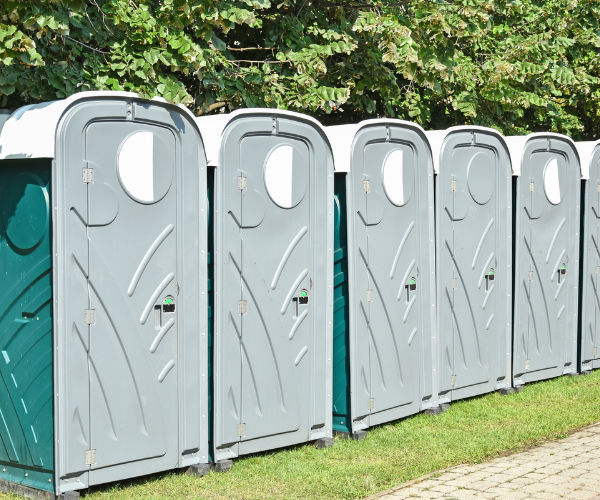
In the quaint and charming hub of Sumner Township, our portable toilets offer the ultimate solution for outdoor events, enhancing your attendees' experiences with unparalleled convenience and cleanliness. Situated near the vibrant Sumner Days celebration, our services ensure that your guests and participants enjoy top-notch sanitation that complements the local charm. Given the region's proximity to rolling fields and nature trails, both residents and visitors alike relish the naturally welcoming environment. Our portable toilets are ideally suited for community gatherings, seamlessly blending into the aesthetic and ambiance of popular events like the Sumner Days parade. These services are crafted to meet the needs of such celebrations, showcasing Sumner Township's appeal with style and reliability. As the heart of many outdoor events, from local festivals to weddings, our solutions exceed basic expectations while elevating the standard of portable sanitation. By prioritizing convenience and accessibility, each unit is maintained to the highest standards, ensuring a worry-free and delightful experience for everyone. Choose our portable toilets to guarantee fresh, reliable, and convenient amenities, optimizing enjoyment and comfort for every occasion.
As proud contributors to the vibrancy and excellent quality of life in Sumner Township, we go above and beyond to distinguish ourselves from other service providers. Emphasizing our long-standing history and robust community ties, we are well-versed in not only meeting customer expectations but consistently surpassing them.
Our commitment to excellence is deeply interwoven with our dedication to understanding local preferences and needs, creating an inviting and personalized service experience that cannot be duplicated. With features accommodating various events, we're recognized as the best choice in the area, fostering rapport and trust with each client interaction.
Additionally, we prioritize sustainable practices and continuous improvement in our services, ensuring our offerings remain modern, eco-friendly, and aligned with the community's values. This dedication is why we hold a premier spot in the Sumner Township, making us the ideal choice for your portable sanitation needs.
Our company's reputation for fast and reliable portable toilet services in Sumner Township stems from our unwavering commitment to delivering top-of-the-line solutions promptly and efficiently. Recognizing the varying needs of events and projects, we tailor our logistics to ensure your units arrive well before your scheduled event, leaving you plenty of time to set up and organize without stress.
Our well-coordinated team of experts remains vigilant in planning delivery routes and timetables, perfecting execution to avoid unexpected delays and maintain our status as the area's go-to service providers. We pride ourselves on a history of successful, timely deliveries that reflect our clients' expectations and needs, bolstered by round-the-clock customer support ready to assist you.
Whether you're coordinating a large festival or a simple family gathering, our consistent timelines and dedication to surpassing industry standards grant you peace of mind knowing your outdoor facilities are the least of your worries. Opt for our portable toilets where quality convenience is delivered right to your doorstep in perfect synchronicity with your schedule.
Sumner Township - Discover Our Portable Toilet
Renting a portable toilet in Sumner Township is a simple and straightforward process designed for customer convenience. To begin, visit our website where you'll find 'Get A Quote' buttons conveniently located throughout various pages. Clicking these will lead you to a form found both at the top and bottom of the page, allowing prospective renters to engage seamlessly. The form requires basic information: your first name, last name, phone number, and email address, ensuring we have the essential details needed to tailor our service to your specifications. Once submitted, our attentive staff will promptly reach out to confirm the details and discuss the options available, ensuring you receive a service package suited to your requirements. Our reliable, efficient process guarantees a swift response time, reflecting our commitment to excellent customer service. Whether you're preparing for an event or managing a construction project, explore the options we offer to suit your unique demands, knowing that your satisfaction and convenience are our top priority.
Understanding the importance of timeliness in organizing events and managing worksites, our diligent team at Fusionsite Iowa emphasizes prompt delivery for all portable toilet orders. The typical timeframe is generally accommodating, with orders often completed and units delivered within 24 to 48 hours of confirmation, barring special circumstances. We maintain a comprehensive inventory strategically located to facilitate rapid distribution across Sumner Township and ensure our clients experience no unexpected delays. Our dedicated logistical personnel tirelessly coordinate schedules to accommodate specific client requests and urgent needs, reflecting our commitment to steadfast reliability. By partnering with us, clients can trust in our capability to cater to both large-scale events and small gatherings with the same degree of efficiency and professionalism. Exceptionally intricate orders or those requiring unique specifications may involve additional considerations, where our exceptional customer service employs effective communication to keep you informed every step of the way. Always prioritizing your needs, we assure you that Fusionsite Iowa stands ready to meet your expectations, aligning every aspect of our services to support your timeline.
Yes, we are fully equipped to service a wide variety of events and construction services with our versatile range of sanitation solutions. From festive outdoor celebrations like festivals and sporting events to elegant weddings and corporate gatherings, our offering includes everything you need for a seamless experience. We provide portable toilets, luxury restroom trailers for upscale events, roll off dumpsters, fencing and barricades, holding tanks, ADA-compliant units, portable sinks, and hand sanitizer stations. Whatever the size or type of event, our professional team is adept at customizing our approach to match your specific requirements, ensuring every aspect of the sanitation process is executed to perfection. By relying on our experienced services, you can rest assured of superior hygiene standards, reliable on-site operation, and significant enhancement of guest satisfaction.