Portable toilets offer numerous eco-friendly benefits, making them an increasingly popular choice for events and construction sites alike. One of the main advantages is their water conservation capabilities; unlike traditional restrooms, portable toilets require no flushing, thus saving significant amounts of water. Additionally, many portable toilets are equipped with environmentally friendly chemicals that break down waste without harming the surrounding ecosystem. This is crucial in outdoor settings where maintaining ecological balance is a priority.
Furthermore, portable toilets help reduce the carbon footprint associated with the construction of traditional restroom facilities. By employing temporary solutions, the need for extensive building materials and energy consumption is greatly minimized. Moreover, the manufacturing and design of modern portable toilets continuously evolve towards using more sustainable and recycled materials, enhancing their green appeal.
Moreover, localized waste management and efficient servicing schedules help minimize the environmental impact. Portable toilet companies often employ specialized waste disposal methods that comply with environmental regulations, further acting as stewards of eco-responsibility. Serving areas like parks and event locations without permanent facilities, they ensure that human impact on the environment remains contained and manageable. It's evident that an investment in portable toilet solutions not only meets practical needs but also aligns with a broader commitment to sustainability.
Overall, choosing portable toilets reflects a conscious decision to support eco-friendly practices, ensuring that your event or project not only runs smoothly but also champions environmental stewardship. By providing hygienic and convenient temporary sanitation, they allow guests and participants to enjoy themselves with peace of mind regarding the ecological implications. As public awareness about environmental issues grows, opting for portable restrooms is a forward-thinking decision for both organizers and the community at large.

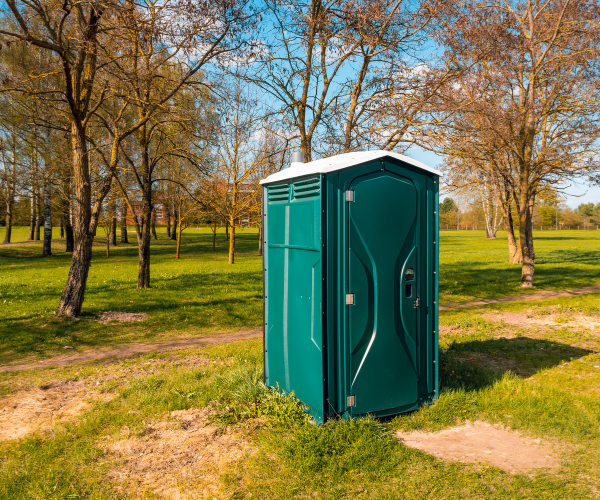
Portable Toilet Rentals in Union Township, Iowa
Call today for a free quote (319) 308-5487
Portable Toilet
Fast, Easy, & 100% Free To Get Started
Over 20 Years Experience
With over 20 years of experience, our portable toilet company has served Union Township with dedication and professionalism. We take pride in our strong community ties and our unwavering commitment to quality and customer satisfaction.
Exemplary Quality Service
At our company, providing high-quality service is a top priority. We ensure all units are impeccably clean and maintained, delivering an exceptional experience for every customer.
Prompt and Efficient Delivery
Experience fast, reliable delivery with our portable toilet services. We ensure timely setup to meet your needs, enhancing convenience for your event or project.
Reliable Portable Toilet Services in Union Township
Call for a Free Quote Today
(319) 308-5487
Discover the unparalleled quality of our portable toilet services in Union Township, Iowa. Locally owned and operated, we pride ourselves on being dependable and reliable, providing clean and durable units. Whether you're hosting a wedding, festival, or corporate event, or managing a construction site, our products are perfectly suited to meet your needs. Serving not only Union Township but also the surrounding areas, we ensure that your guests enjoy fresh and meticulously maintained facilities. Our commitment to exceptional service guarantees a hassle-free experience for any gathering. Choose us for your upcoming events and enjoy peace of mind knowing we are the most trusted source for portable toilet rentals in the region.
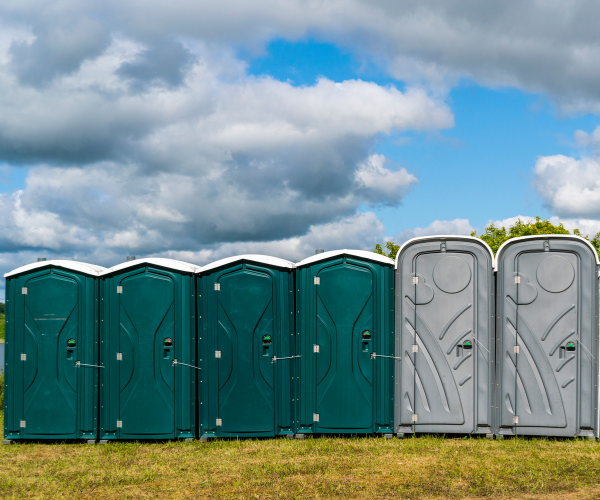
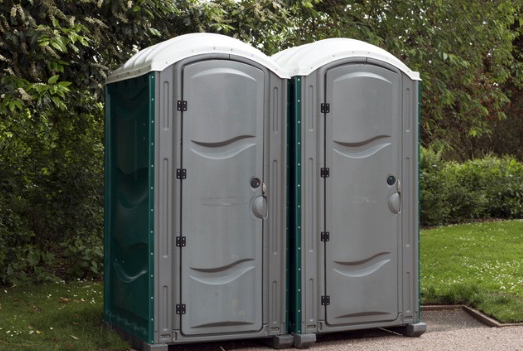
Standard Portable Toilet
Our standard porta john rental units are durable and reliable for any commercial build site, housing development, public works project, or remodel job.
Features include dome lighting, grated floors, and an “In-Use” locking mechanism for privacy and comfort.
Regularly maintained, inspected, and cleaned by FusionSite at your location.
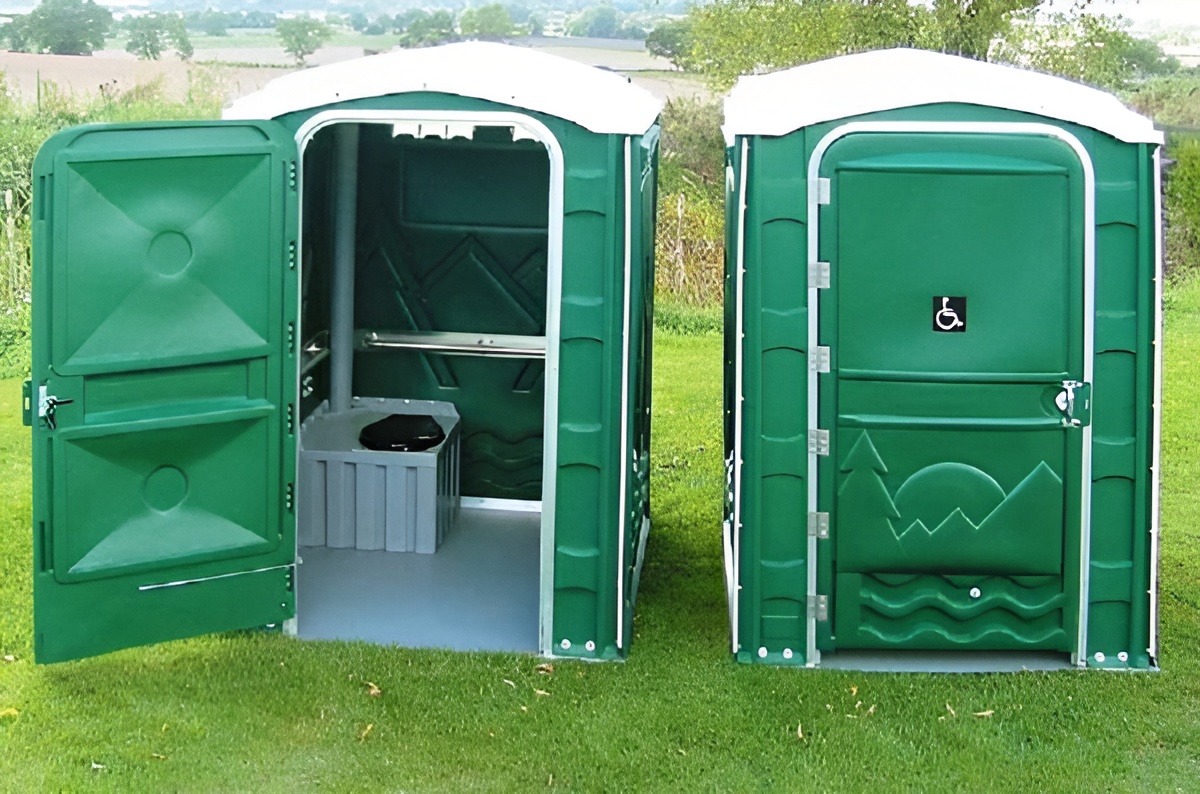
Wheelchair Accessible Restrooms
Developed as an alternative to full ADA-compliant restrooms, the Liberty is a spacious, wheelchair-accessible unit that can also be promoted as a family-sized restroom.
Includes a patented flat-floor system for easy wheelchair access and maneuverability.
Handrails, paper holder, and rotary latch are designed for simple, intuitive end-user operation.
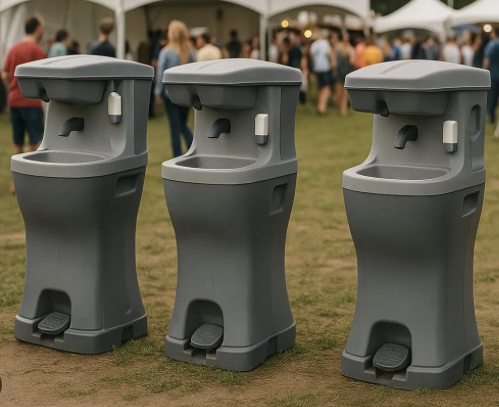
Portable Sink
Portable hand washing stations are essential for keeping your work site sanitary and clean.
Features hands-free foot pumps, liquid soap, and paper towels.
Perfect for job sites without water hookups, these units can handle hundreds of washes between services.
We Proudly Serve
Standard Portable Toilets
Standard Portable Toilets in Iowa offer a reliable solution for event and construction site sanitation needs at Fusionsite Iowa.
High Rise Portable Toilets
Our High Rise Portable Toilets in Union Township provide easy, practical sanitation solutions for elevated construction projects.
Restroom Trailers
Restroom Trailers in Union Township offer a luxurious and comfortable experience for any event, supplied by Fusionsite Iowa.
Roll off Dumpsters
Fusionsite Iowa's Roll off Dumpsters provide efficient waste management solutions for construction and event sites in Union Township.
Septic Tank Cleaning
Septic Tank Cleaning services at Fusionsite Iowa ensure optimal sanitation facilities by providing thorough servicing throughout Iowa.
Grease Trap Cleaning
Our Grease Trap Cleaning services in Union Township maintain optimal functionality for commercial kitchens across Iowa.
Fencing & Barricades
Fencing & Barricades from Fusionsite Iowa provide secure and versatile solutions for event and construction site management.
Residential Storage
Residential Storage services in Union Township offer secure and accessible storage options convenient for Iowa residents.
Union Township Portable Toilet Rentals
Getting a quote and arranging delivery for portable toilets has never been more convenient. Our user-friendly website makes it effortless to submit a request, and our responsive team ensures prompt communication. Simply fill out a short form with your contact details to receive a detailed estimate tailored to your specific needs. Once approved, we coordinate delivery to ensure that our portable toilets arrive exactly when and where you need them. With an emphasis on customer satisfaction, we offer flexible scheduling options and work closely with you to accommodate any last-minute changes. Whether it's a large-scale event or a small gathering, our efficient service guarantees you'll have the sanitation solutions you require without any added stress. Discover the ease of working with an experienced and reliable portable toilet provider in Union Township.
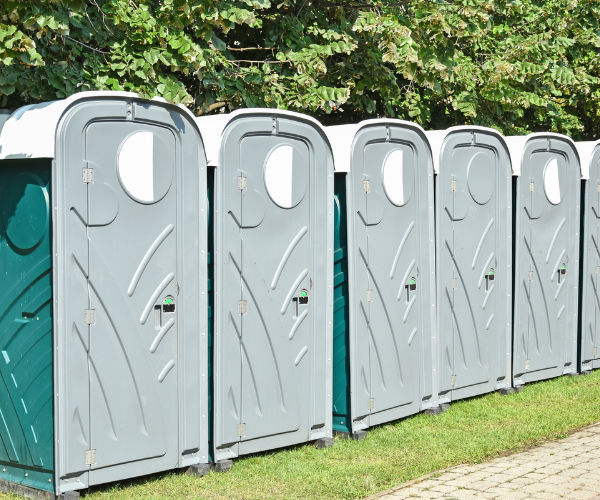
Union Township thrives with its lively local events and breathtaking outdoor attractions, creating the perfect backdrop for memorable gatherings. Our portable toilet services elevate these occasions by offering unmatched comfort and convenience, catering precisely to the community's love for nature and festivities. From celebrations near the scenic Union Grove State Park to the bustling annual Union County Fair, our spotless and dependable units meet every sanitation need with ease. Offering top-tier portable restrooms allows guests to immerse themselves in the event worry-free. Our dedication to quality and hygiene makes us a reliable ally for event planners throughout Union Township. Regardless of event size, our services ensure a seamless experience, delivering satisfaction through both functionality and design.
Our portable toilet company stands as the best choice in Union Township due to our unwavering dedication to service excellence and community support. Over the years, we have built a reputation for providing clean, durable, and reliable facilities that cater to a variety of events and settings, from weddings to construction sites.
Our connection to the local community only enhances our commitment, as we understand the unique needs and desires of those we serve. Whether it's our competitive pricing or our attention to detail, choosing us means choosing unparalleled reliability and a partner invested in your event's success.
We specialize in delivering fast and reliable portable toilet services throughout Union Township. Our well-maintained units, ready for immediate deployment, ensure timely delivery, minimizing downtime and maximizing convenience for your projects or events.
Acknowledging the need for rapid delivery, we have optimized our procedures to offer prompt service, adapting quickly to any changes in your requirements. This efficiency allows our clients to concentrate on the success of their events while we expertly manage the sanitation needs with professionalism.
Union Township: Discover Portable Toilet Options
Renting a portable toilet in Union Township is straightforward for your convenience. Begin by visiting our website, where easy-to-navigate forms at the top and bottom of each page simplify the process. You can also use the prominent ‘Get A Quote’ buttons, which lead you to our user-friendly forms. These require just your basic details: first name, last name, phone number, and email. Once submitted, our team quickly reviews your request to ensure a swift and precise response.
Beyond the ease of accessing the quote form, our detailed site offers comprehensive information about our diverse rental options. Whether you need a single unit for a small gathering or multiple units for large events or construction sites, our representatives are ready to provide personalized consultation. We tailor solutions to meet your specific needs, and our transparent quoting process covers every detail, including usage duration and specific location considerations, eliminating tedious back-and-forth discussions.
With competitive pricing and a commitment to service excellence, we guarantee not only the availability of units but also punctual delivery and maintenance throughout the rental period. Our dedicated support team is on hand to address any inquiries, adjustments, or additional needs once the initial arrangement is in place.
Partnering with us for your portable sanitation needs means working with a local business dedicated to your satisfaction. Every step is designed to ease the burdens often linked with event logistics, ensuring your rental experience is both straightforward and dependable. By choosing our services in Union Township, you gain access to premium facilities and benefit from our expertise, enhancing the overall success and enjoyment of your event or project.
The delivery timeframe for portable toilet orders can vary based on several factors including the location of the event and the number of units required. Generally, we recommend placing your order several weeks in advance to guarantee availability and accommodate any specific needs you may have. This scheduling allows us to plan thoroughly and ensure a seamless delivery and setup process.
Once your order is placed and confirmed, our team works diligently to meet your timeline, providing flexibility for any last-minute changes. For standard orders, we typically aim for a one to two days delivery window prior to the event's start. This time cushion allows us to properly install the units and perform final checks to ensure everything is in pristine working order.
For more immediate requirements, expedited services might be available. However, availability is dependent on existing bookings and specific logistical considerations. Our rental consultant will discuss all delivery options upon receiving your initial inquiry to present you with the most suitable plan. Efficient logistics and a strong commitment to punctuality distinguish our service.
On rare occasions where challenges such as severe weather or unforeseen logistical hurdles occur, we maintain open lines of communication to provide updates and make any necessary adjustments. Our dedicated support staff is always on hand to offer assistance and reassurance, understanding the critical nature of reliable services to the success of your event or project.
Ultimately, our goal is to provide comprehensive and dependable delivery solutions, simplifying the rental process and assuring your focus remains on executing a successful event while we handle the rest.
Yes, we are fully equipped to service a wide range of events and construction environments, offering diverse products and solutions to meet varied requirements. From music festivals and sporting events to more intimate gatherings like weddings and family reunions, our inventory includes luxury restroom trailers, standard porta potties, and everything in between to cater to specific needs.
For construction sites, our units are designed to withstand demanding conditions, providing essential services to ensure worker welfare and project efficiency. We understand the unique challenges different events and job sites pose and are adept at managing high-demand scenarios, offering timely services that align with the project timelines.
Special events like corporate galas or outdoor expos benefit from more sophisticated solutions. We have ADA-compliant units for accessibility and portable sinks to promote hygiene among attendees. Whether it's a temporary restroom for community parks or large installations for public fairs, our solutions are both versatile and effective, ensuring coverage across various applications.
Being a comprehensive service provider, we further offer roll-off dumpsters, fencing, barricades, and hand sanitizer stations, allowing for a seamless experience when managing site logistics. Our team is committed to customization, ensuring that no detail is overlooked, and everything conforms precisely to the scale and style of your occasion.
We take pride in our capacity to adapt and create tailored sanitation solutions designed to elevate the overall experience of those attending your events or working on your projects. Trust us with your needs knowing that we prioritize quality service delivery, making us the preferred choice across Union Township and beyond.